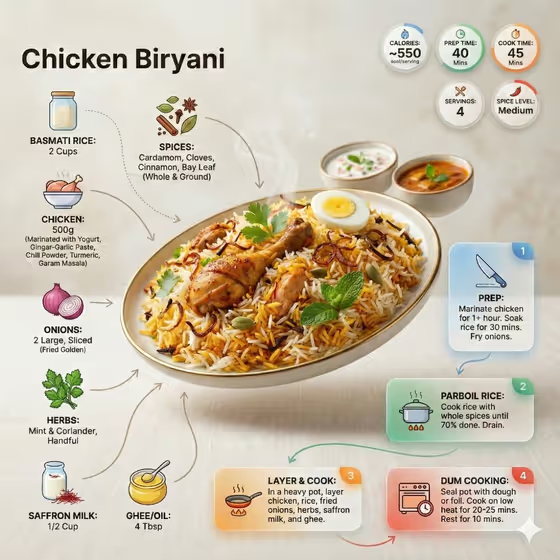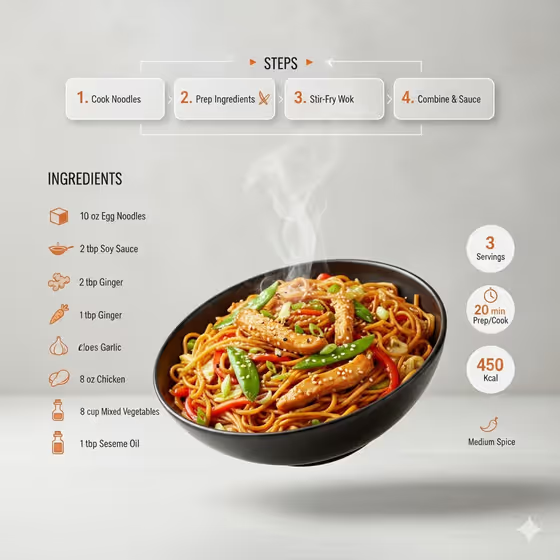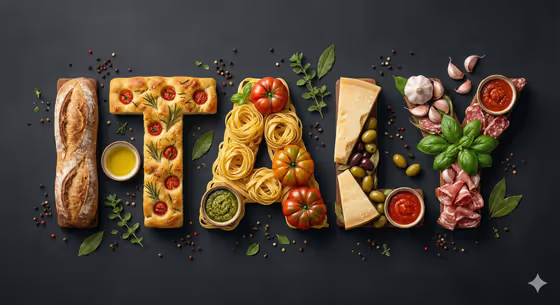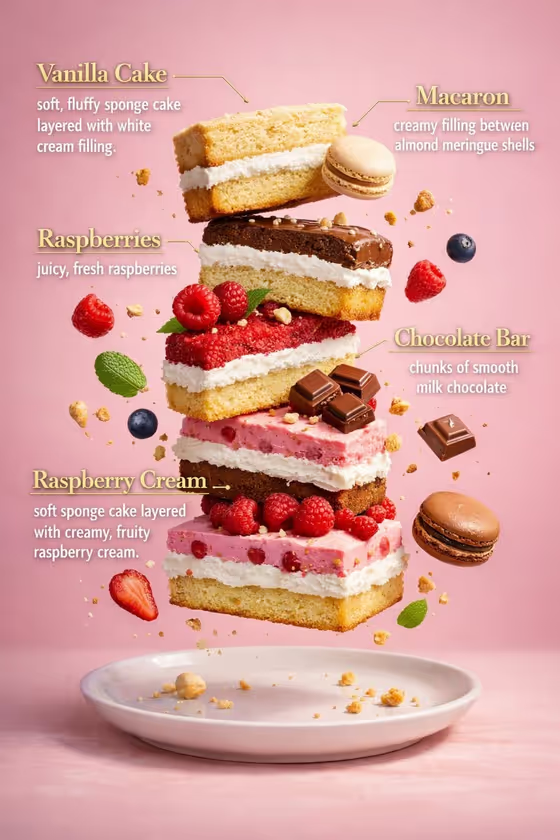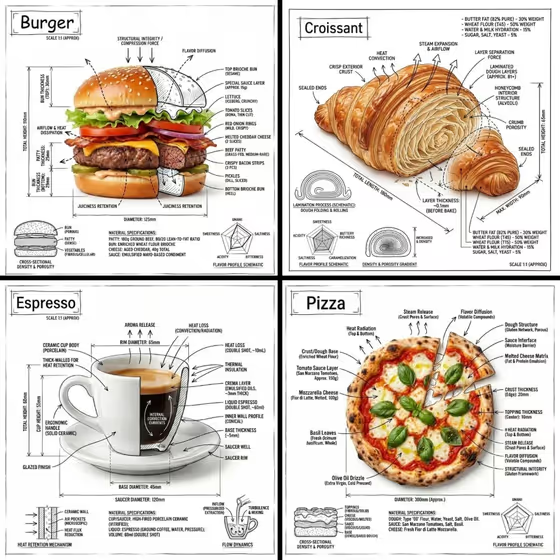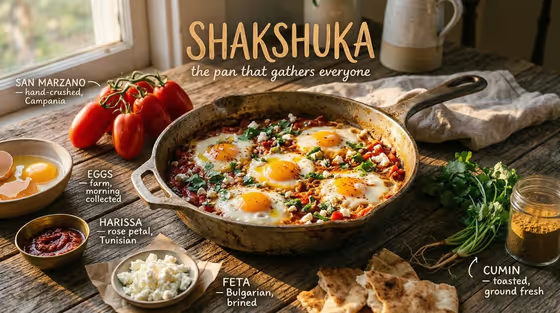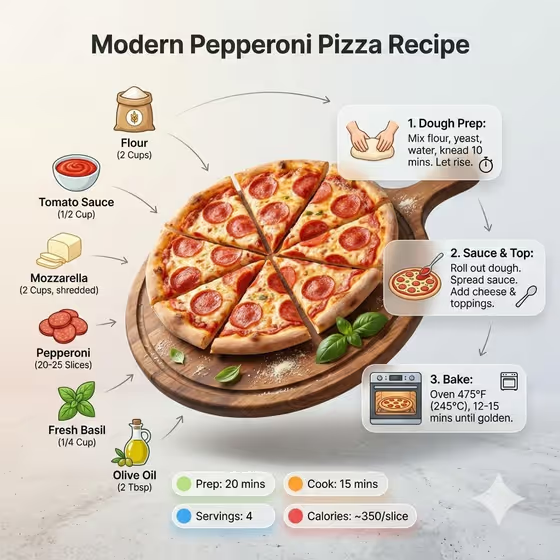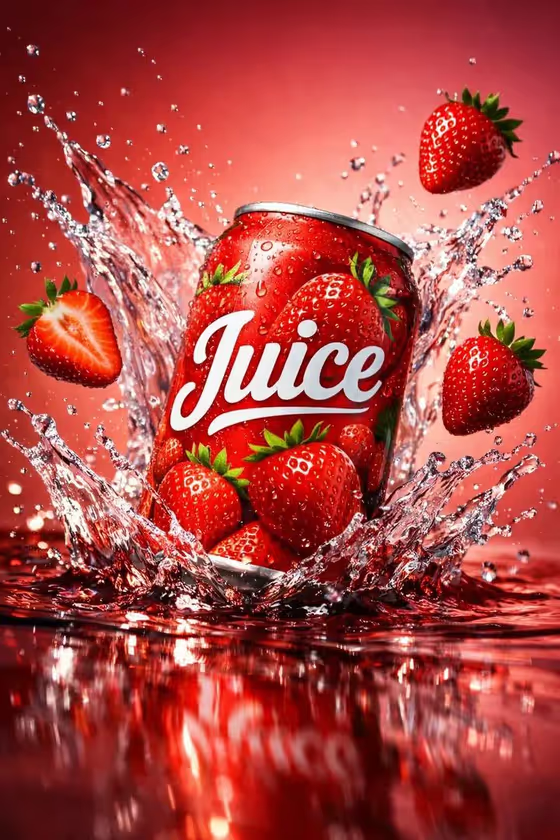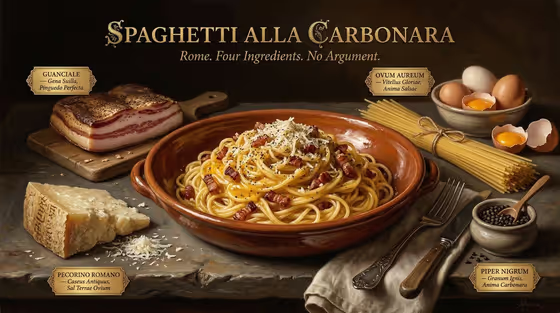
Baroque Feast Still Life turns a dish into a dark, museum-style food painting. Your hero dish sits on a moody surface, surrounded by its ingredients, lit from the upper left like a Dutch Golden Age canvas, with gilt text and small gold labels added on top.
It suits food bloggers, restaurant menus, recipe covers, and anyone who wants a dish to look like a framed Old Master. The cover example shows a pasta bowl with labeled ingredients, an ornate title, and a quiet tagline underneath.
What works best as input
- For the Hero dish field, you can either describe the dish in words or upload a reference photo of it. Name the dish clearly, such as a truffle pasta plate or a glazed game pie.
- If you upload a photo, pick one where the dish is the main subject and well lit, so the ingredients are easy to read and can be rebuilt around it.
- If you type instead, mention the key ingredients you want to see around the plate. The template surrounds the dish with its real ingredients, so specific words help.
- Only the Hero dish field accepts a photo. Surface, title, cartouche, and tagline are all set by typing or choosing an option.
How to use it
- Open the Baroque Feast Still Life template in Phosphene.
- Fill in the Hero dish by typing a description or uploading a reference, then choose a Still-life surface such as black velvet or weathered marble.
- Type your Dish name (the ornate gilt title), one Ingredient cartouche example, and the Still-life tagline.
- Generate the image, then review the title spelling, the gold labels, and how the ingredients are arranged before saving or trying again.
Tips for a better result
- Match the surface to the mood. Aged dark stone feels rustic and heavy, while black velvet gives a more theatrical, jewel-toned backdrop.
- Write the Dish name and tagline in capitals, as the examples do, for a formal engraved look.
- Follow the cartouche pattern in the examples: an ingredient word, a separator, then a short Latin or French phrase, like FIG, dulcis nocte.
- Keep the title short and the tagline restrained so the text stays crisp and the painting stays the focus.
Common mistakes
- Describing a dish with no ingredients or vague wording, which leaves little for the template to arrange around it.
- Writing long titles or taglines, which can crowd the composition and make the lettering harder to read.
- Uploading a cluttered or dark photo in the Hero dish field, so the dish itself is hard to identify.
FAQ
Do I have to upload a photo?
No. The Hero dish field lets you either describe the dish in text or upload a reference. All other fields are text or a choice.
What does the ingredient cartouche do?
It gives one example of the small elegant gold labels placed on selected ingredients in the scene. Use the pattern in the examples for the best match.
Can I change the lighting?
The lighting is fixed as a single dramatic light from the upper left with deep shadows. You control the dish, surface, and text.
What kind of image does it make?
A 3:4 still image styled as a painterly baroque food scene with a gilt title and tagline.