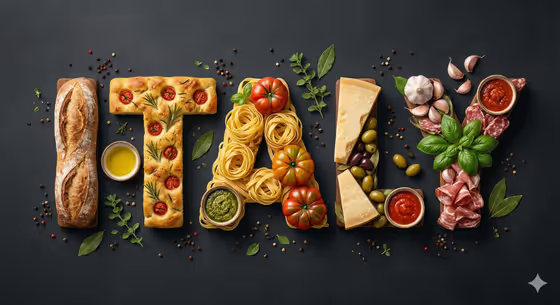
Edible Country Type turns a country name into large sculptural letters built from food. In the cover example, the word ITALY is formed from a baguette, focaccia with cherry tomatoes and rosemary, nested pasta, cheese, olives, cured meat and basil, with small bowls of oil, pesto and sauce set around the edges, all on a dark background.
It suits food bloggers, restaurant owners, cultural event organizers, travel content makers and anyone who wants a poster-style image that celebrates a national cuisine. You describe the country and the foods, and the template handles the lettering, layout and lighting.
What works best as input
- In the Country Name field, type the name in plain text, as in the placeholder ITALY. Short names give each letter more room for detail, while longer names make each letter narrower.
- In Traditional Food Elements, list specific foods rather than general words. The examples, such as pasta, tomatoes, basil, and olive oil, show how concrete ingredients give the letters a clear look.
- This field also accepts a photo reference, so you can add a picture of a dish or ingredient if you want that style of food to appear. Use a clear, well-lit photo with one main subject.
- Name a mix of shapes and textures, for example something long like bread, something round like fruit, and something small like herbs or spices. This helps the letters read as solid forms while staying visually rich.
- Add a condiment or sauce to your list, since the fixed direction includes small condiment bowls placed around the lettering.
How to use it
- Open the Edible Country Type template in Phosphene.
- Type the country name into the Country Name field, for example ITALY.
- In Traditional Food Elements, describe the foods you want filling the letters, or add a culinary reference photo if you have one.
- Generate the image and review how the letters and foods look. If the result is not right, adjust your food list and run it again.
Tips for a better result
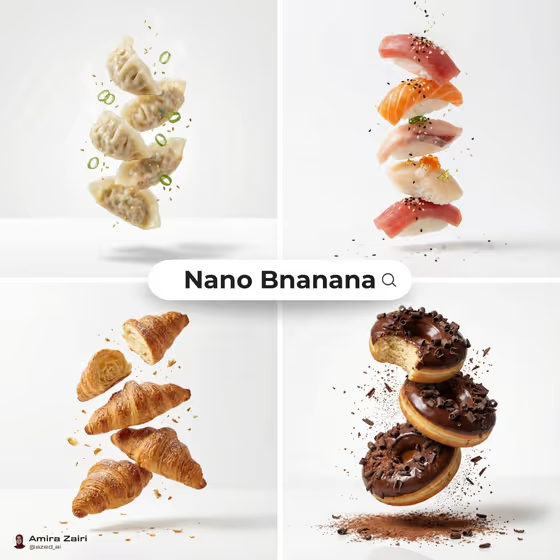
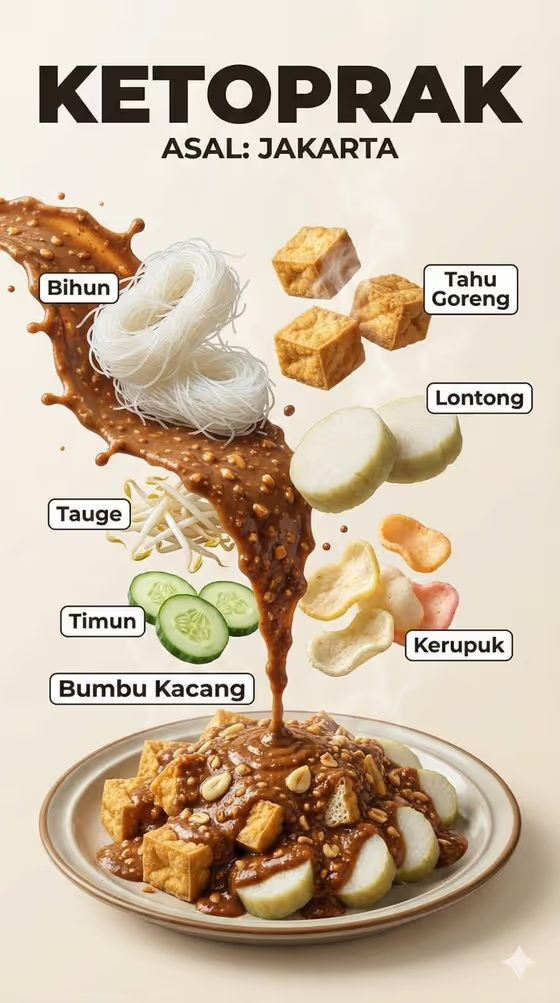
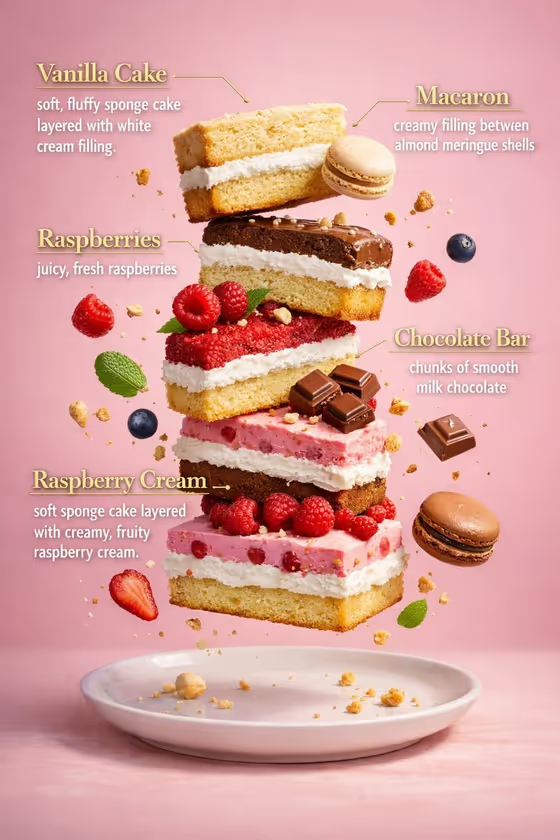
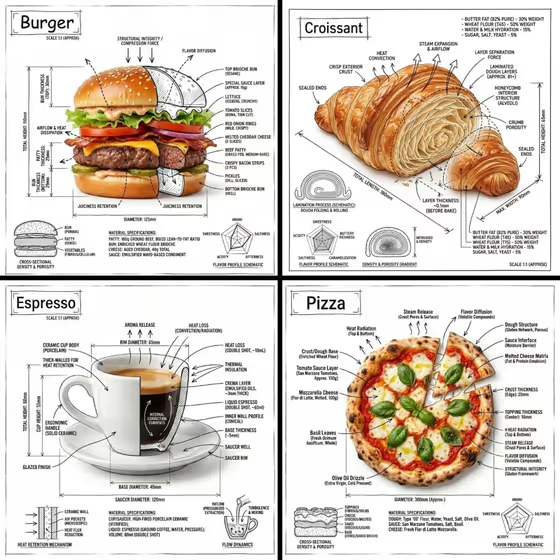
- Match the food list to one cuisine so the image feels cohesive, like the four examples (flatbreads and dates, sushi and citrus, tacos and chilies, pasta and tomatoes).
- Include a few colorful items such as tomatoes, chilies or citrus. The dark background makes bright foods stand out and helps each letter read clearly.
- Add garnishes like fresh herbs, olives or whole spices. In the cover image, small scattered details around the letters add a finished editorial feel.
- Try the same country with different food lists, for example street food in one version and desserts in another, to get several distinct posters.
Common mistakes
- Writing a very long food list. Too many items can make the letters look cluttered, so choose a handful of representative foods.
- Using vague descriptions like food or traditional dishes. Specific ingredients give the template something concrete to build the letters from.
- Entering a sentence in the Country Name field. Keep it to just the name so it renders cleanly as lettering.
FAQ
Do I have to upload a photo?
No. Both fields are text, and the photo option is only available on the Traditional Food Elements field as an optional culinary reference.
Can I use something other than a country name?
The field is meant for a country name, but you can try a region or city name. Results depend on how well the word turns into sculptural letters.
Why is the background dark?
The template's fixed direction uses a rich dark background so the foods and warm lighting stand out. You cannot change it through the fields.
What shape does the image come out in?
The template is set to a 3:4 aspect ratio, which is a portrait format.