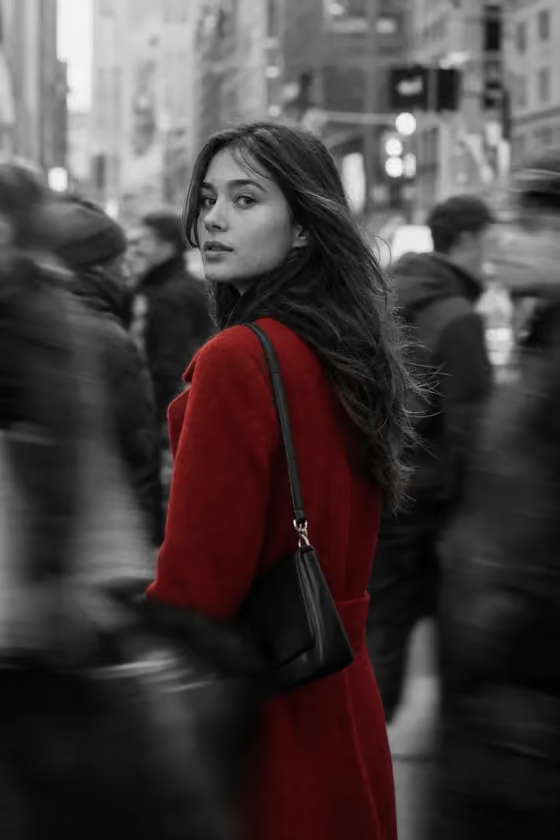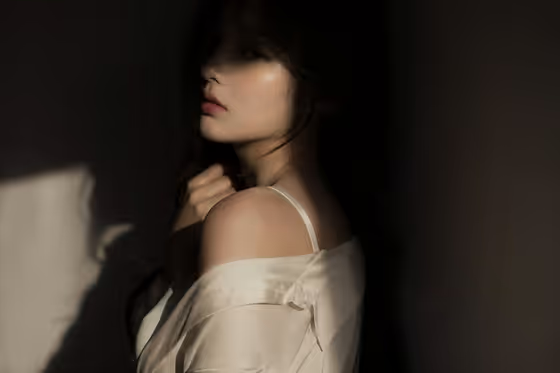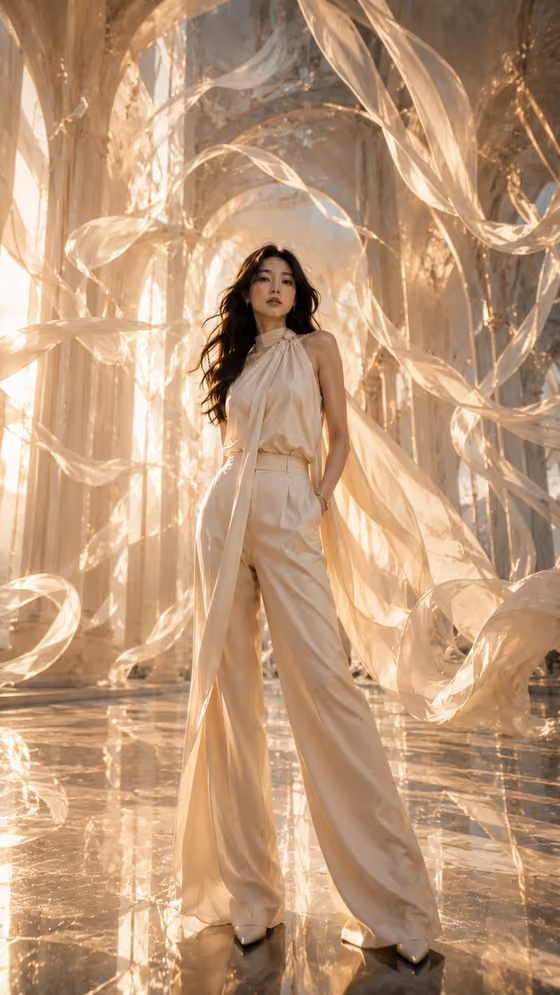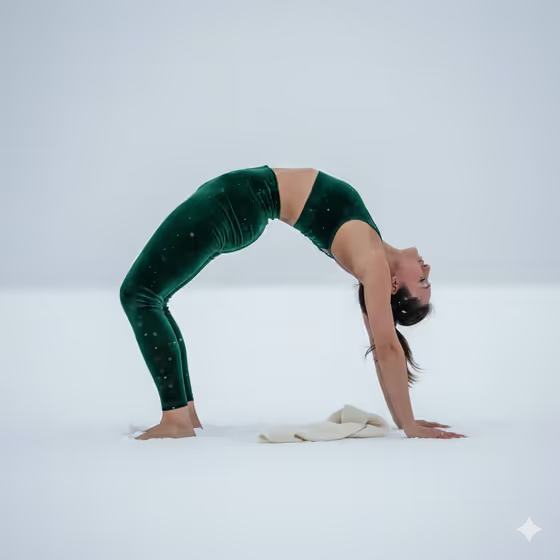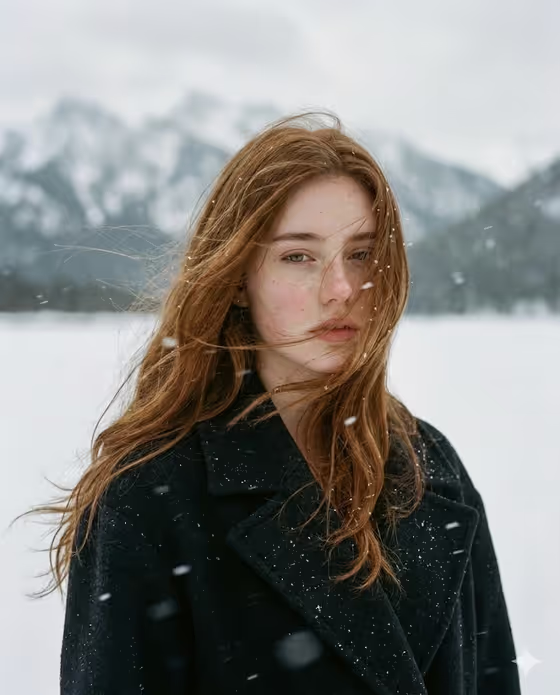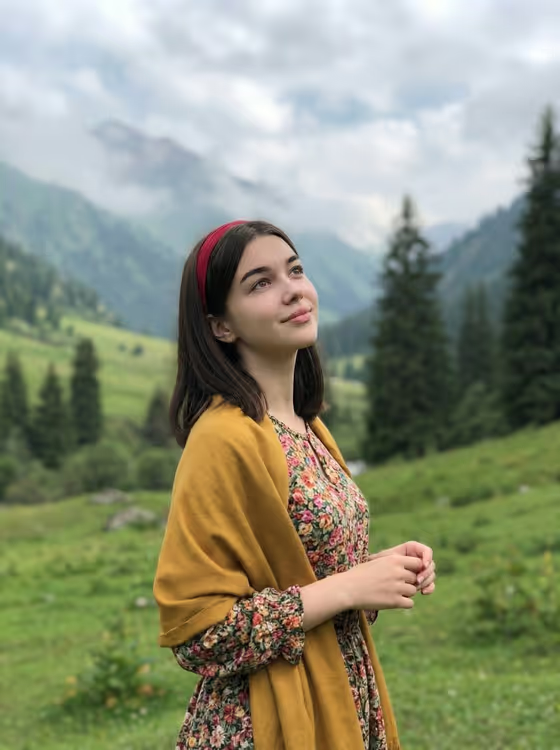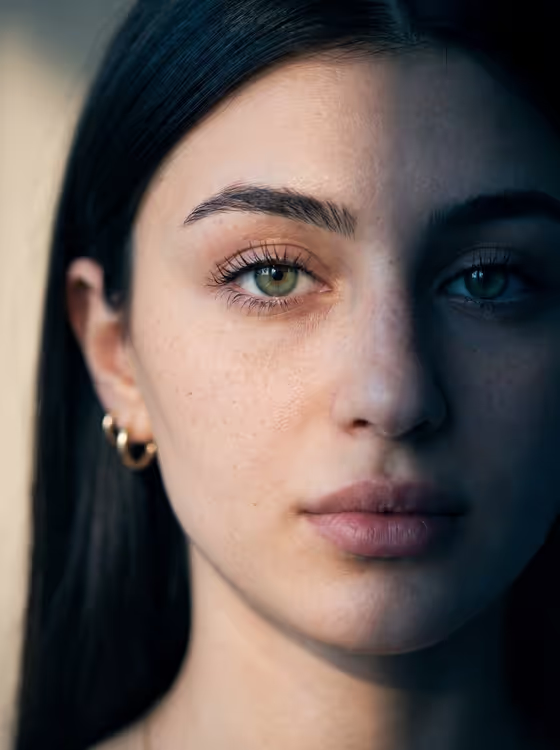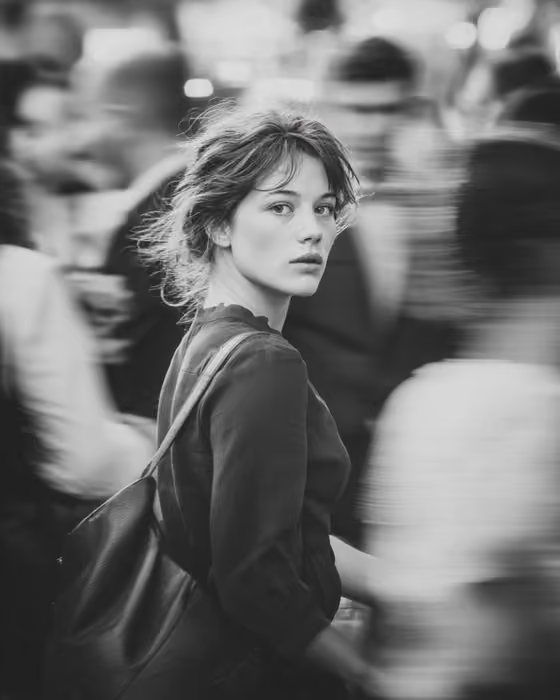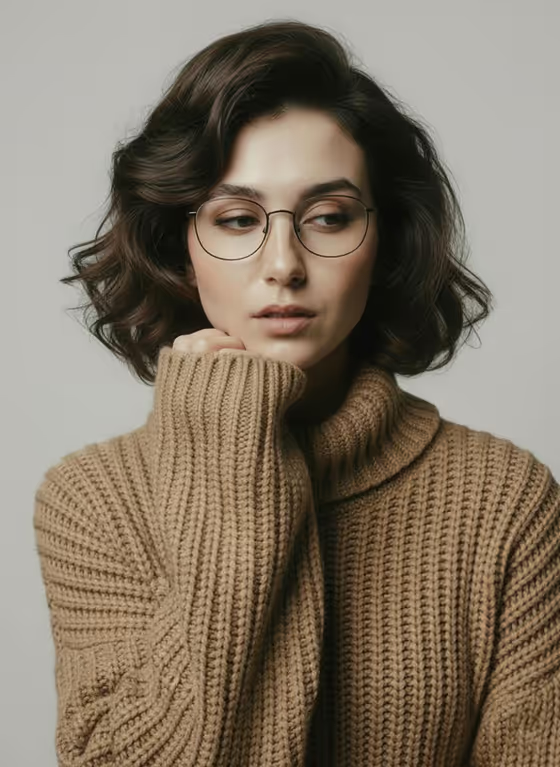
Scandinavian Knit Quartet turns one subject into a set of four matching studio portraits. Every frame keeps the same camel knitwear, beige styling, off-white backdrop and soft diffused light, so the images read as one calm fashion shoot rather than four separate pictures.
It suits anyone who wants a cohesive editorial set: knitwear and lifestyle brands, personal portfolios, mood boards, or social grids that need a quiet, warm look. The framing moves from close-up to mid-length, with plenty of negative space around the subject.
What works best as input
- Both fields accept a photo or a written description, and the template is set up for two or more uploads, so give it a clear reference of your subject plus a reference for the poses if you have one.
- For Portrait Subject, a sharp, evenly lit, front-facing photo works best. The cover shows what the template preserves: hairstyle, glasses, skin texture and a calm expression, so pick a photo where those details are easy to see.
- If you describe the subject in text instead, be specific about hair and accessories, for example 'a short-haired woman with round glasses'. Hairstyle and glasses are explicitly kept consistent across all four images.
- For Four Portrait Poses, list four short ideas separated by commas, such as 'chin on clasped hands, lowered gaze, profile, sleeve close-up'. Mixing a face-focused pose with a knit-detail crop gives the set natural variety.
- Avoid busy backgrounds or heavy colored lighting in your reference photos, since the template is built around an off-white studio and warm muted neutrals.
How to use it
- Open the Scandinavian Knit Quartet template in Phosphene.
- In Portrait Subject, upload a reference photo of the person or type a short description of who the portrait is of.
- In Four Portrait Poses, add your reference or write four poses or framings in a comma-separated list. You can start from one of the example sets and edit it.
- Generate the set, then check that the hairstyle, glasses, sweater and lighting match across all four portraits. Adjust your wording or photos and run it again if one pose drifts.
Tips for a better result
- Order your four poses from wide to tight, for example mid-length poise, close face, profile, sleeve close-up, to get the close-up to mid-length rhythm the template is designed for.
- Include at least one tactile detail pose such as 'knit detail' or 'sleeve close-up'. The template emphasizes sweater texture, and this gives it a frame to show it off.
- Try the other example subjects, like a calm mature fashion model or an introspective androgynous subject, to see how the same camel-knit styling reads on different people.
- Keep expressions quiet and introspective in your pose list (lowered gaze, quiet smile). That matches the restrained, magazine-like mood the template aims for.
Common mistakes
- Writing vague poses like 'nice photos' or listing only one or two ideas. The template expects four distinct poses, so give it four clear ones.
- Uploading a low-resolution, heavily filtered or sunglasses-covered photo, which hides the hairstyle and facial detail the set is meant to keep consistent.
- Asking for bold colors, dramatic lighting or busy settings in the subject or pose fields. These work against the fixed camel, beige and off-white studio look.
FAQ
Can I use just a text description instead of a photo?
Yes. Both fields accept text, so you can describe the subject and the four poses without uploading anything. Photos are useful when you want a specific person or exact visual reference.
Will the clothing and background change between the four images?
The template is built to keep the camel knitwear, beige styling, off-white studio and soft light consistent. Only the pose and framing should vary from one portrait to the next.
What shape are the results?
The portraits use a 2:3 vertical aspect ratio, which suits magazine-style layouts and portrait-oriented feeds.
What should I put in Four Portrait Poses?
List four short pose or framing ideas separated by commas, such as chin on clasped hands, lowered gaze, profile and sleeve close-up. The placeholder and examples in the field are good starting points.