Prompting
Write clear image instructions and diagnose why a result missed your intention.
Start here
A prompt is a set of decisions about subject, composition, style, and constraints. Begin with those decisions instead of adding more adjectives. Use the guides below to structure a brief, separate competing requirements, and deliberately vary a result. Advice about one model or interface is not a universal rule.
- Structure the brief
Start with the subject and the visual decisions that matter.
- Untangle the composition
Split a busy request into instructions you can evaluate separately.
- Plan useful variation
Understand what a seed can control and what still needs judgment.
Explore the topic
9 articles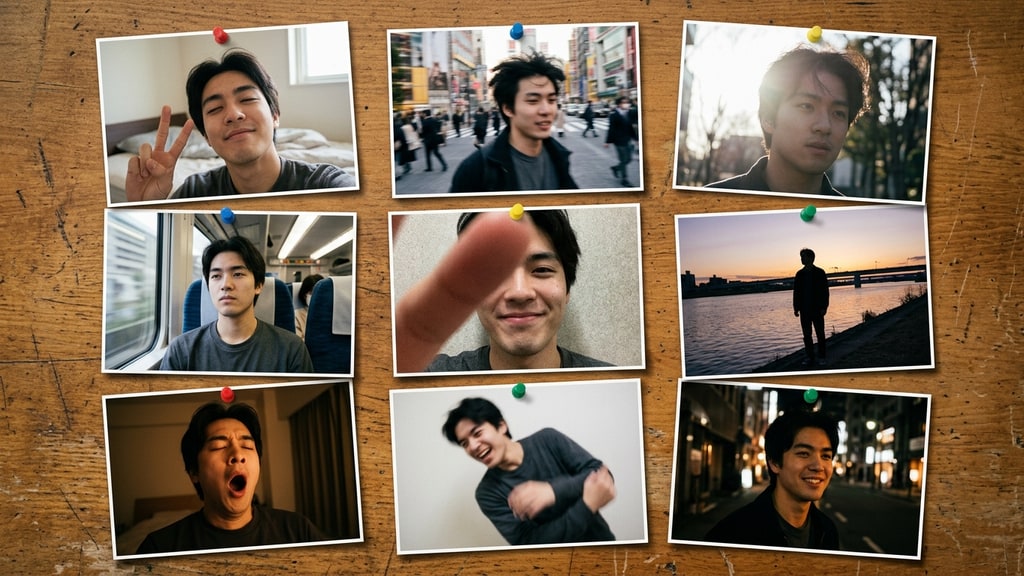
Faking a Day in Nine Frames: The Prompt Formula Behind the Viral Camera Roll Trend
Give an image model one reference photo and ask for a full day back: nine candid frames from morning to night, arranged like an iPhone camera roll. The trend spread across X because the result feels like evidence of a life that was never lived. Here is the formula that makes it work, from a Japanese creator who failed twice before it landed.
From Prompt to Skill: Context Engineering for Reusable AI Workflows
One good prompt is a tool. A repeatable prompt with the right context is a skill. A German tech publisher laid out a framework that separates stable rules from situational material and on-demand retrieval, then splits long tasks into chains with checkpoints.

What the Temperature Setting Actually Does in AI Models (and What It Cannot Do)
Temperature is the most misunderstood slider in AI tools. Here is what it really controls, what a 2024 study found about the creativity myth, and how the same randomness logic maps onto seeds and guidance in image generation.

Prompt Order Decides Whether Your Character Survives the Next Generation
A 2026 Japanese prompt-engineering guide makes one claim worth stealing wholesale: in diffusion UIs, earlier tokens matter more. Core traits first, staged fixation instead of one-shot prompts, LoRA trigger words moved to the front, and reference images treated as scaffolding rather than law. A field guide adapted from the original.
Identity Words in Your Prompt Change the Output: Why 'with an Algerian' Isn't 'with a Norwegian'
Swap the nationality in a prompt and the model can flip from suggesting conversation topics to warning about danger — and image generators plausibly inherit similar learned associations. Here is what identity descriptors do to model behavior, and how to prompt characters by attributes instead of loaded labels.
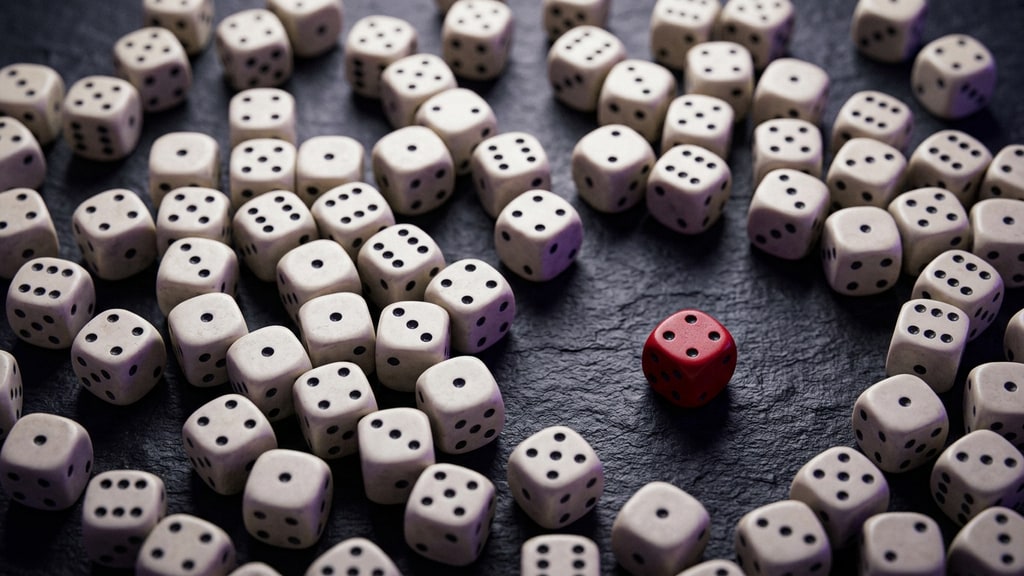
Why 'Random' in AI Isn't Random: The Number 17, Seeds, and Getting Real Variation
Ask an AI to pick a number and it keeps choosing 17. That is not a glitch: language models can reproduce statistical preferences instead of uniform chance, and the same mechanism may shape the variety and composition of the images a generator gives you. Here is how to actually force variation instead of trusting a reroll button.
Why Your AI Image Composition Misses: Decompose the Prompt, Stop Stacking Adjectives
Adding 'cinematic, masterpiece, 8K' to a prompt makes the frame busier, not more controllable. Composition drift is an articulation problem, not a model problem. A decomposition method for writing images that actually match your intent.

How to Create AI Art from a Text Prompt Online — Step-by-Step
Learn how to turn a text prompt into stunning AI-generated art online, without installing anything. This step-by-step tutorial walks you through the full process using Phosphene.
Prompt Engineering Guide for Better AI Images
A practical guide to writing clear, controllable prompts that improve image quality and reduce wasted generations.