Characters
Keep faces, outfits, and visual identity consistent across images and scenes.
Start here
Character continuity needs a reusable identity, not just a repeated name. Separate fixed traits from pose, framing, and scene changes. Start with a written character definition, build a reference system, then apply it to panels or animation. Evaluate every output for identity drift before continuing.
- Define the character
Write a stable identity before deciding on a particular image.
- Build the reference system
Separate identity anchors from the traits that can change.
- Carry it into a story
Apply character decisions across a sequence of panels.
Explore the topic
13 articles · Page 1 of 2
Designing a Voice for an AI Anime Character, Then Adding It Later
A Japanese AI anime studio casts its main character with a written voice prompt, hits a policy wall on child voices, and adds the audio in post because the video model cannot hold sync. The prompt structure is the portable part.
One Standing Image, Then a Character Library
A full-body tachie is the base asset for a reusable character. How to build one on PixAI Tsubaki.3, expand it into expression, pose and costume variants, and where consistency still breaks.
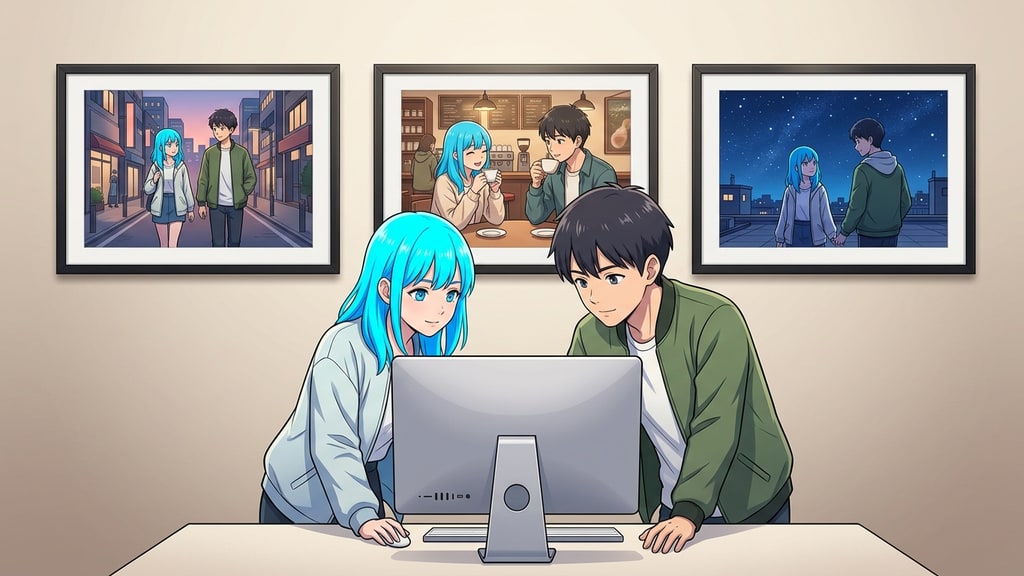
One Reference Image Is Enough: Consistent Characters Across a Series with ChatGPT Images 2.5
A Japanese creator was re-describing their two mascot characters in every new prompt and watching the faces drift article to article. The fix was one reference image per character plus an explicit "refer to this design" instruction. Here is the workflow, the prompt pattern, the platform-size lesson, and the text rules.
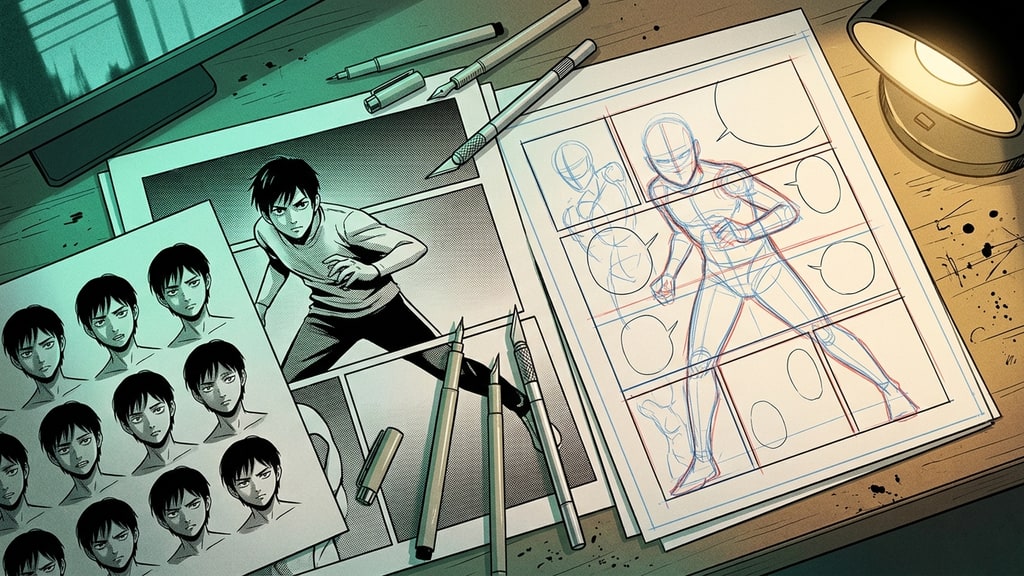
A Serialized AI Manga, Remade From Scratch in a New Tool
After a year and a half of serialization, the AI horror manga YOUKAI rebuilt its first episode in Anifusion from zero. A remake is the sharpest test of a creative tool you can run, and the Japanese writeup of this one is unusually honest about what broke. What the exercise reveals about character consistency, per-panel staging, and the skills that actually gate AI comics now.
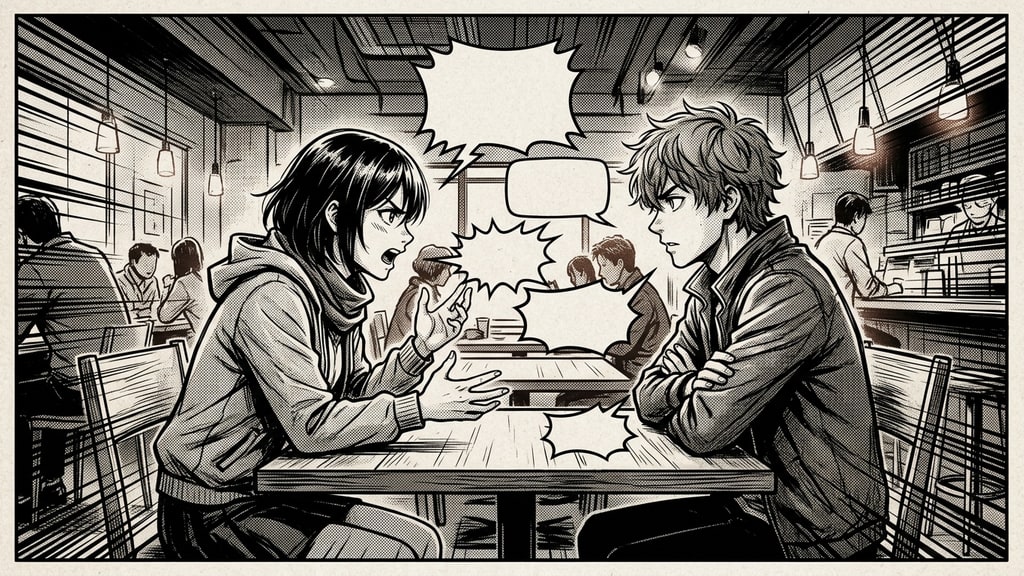
From Character to Panel: Making AI Manga Scenes That Actually Read as Comics
You can generate a beautiful AI character, but the moment you add dialogue and speech bubbles the whole image falls apart. A hands-on test of PixAI Tsubaki.3 shows what a manga panel actually requires — and the workflow that fixes text without destroying the scene.
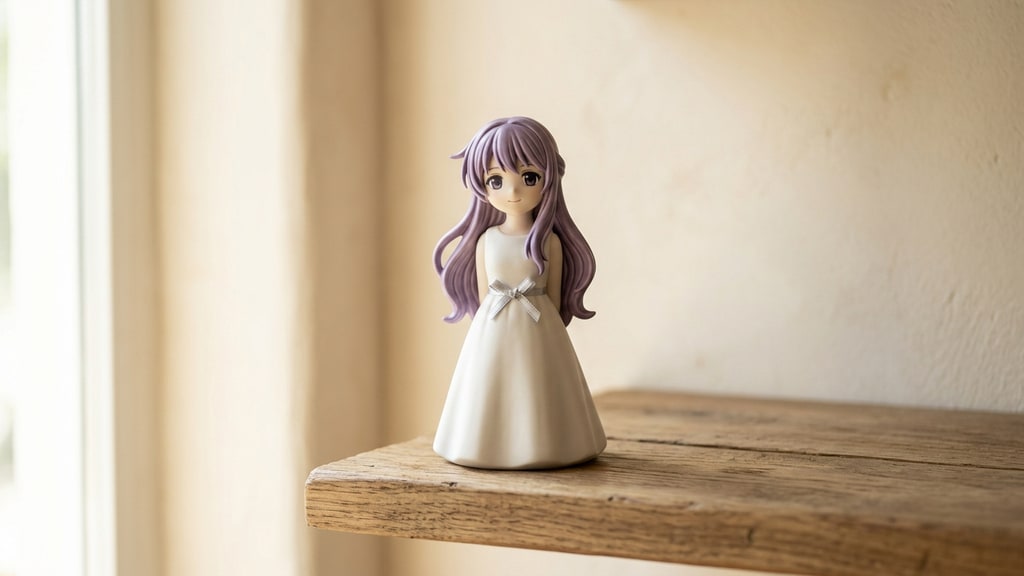
Train a Custom LoRA on AI-Generated Reference Images: No Photo Shoot Required
A complete starter pipeline for turning an original character design into a working LoRA: generate 20-50 consistent reference images with image models, caption them with a trigger word, and train locally or in Google Colab.
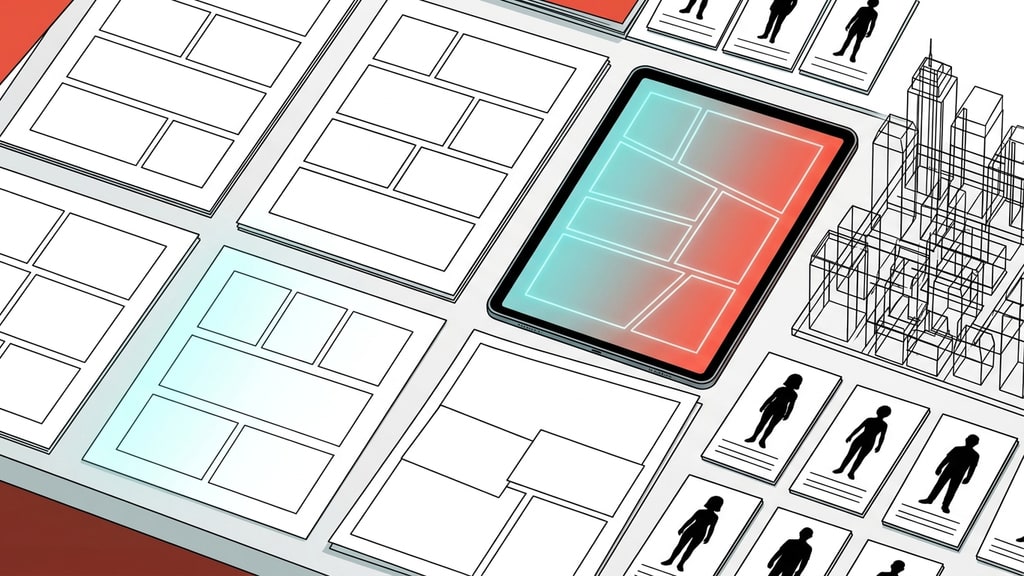
What an AI Manga Festival Reveals About Comic Production Workflows
From Claude-generated panel layouts to YAML-based asset management and 3D backgrounds, a Japanese AI manga festival showcased production techniques worth stealing.
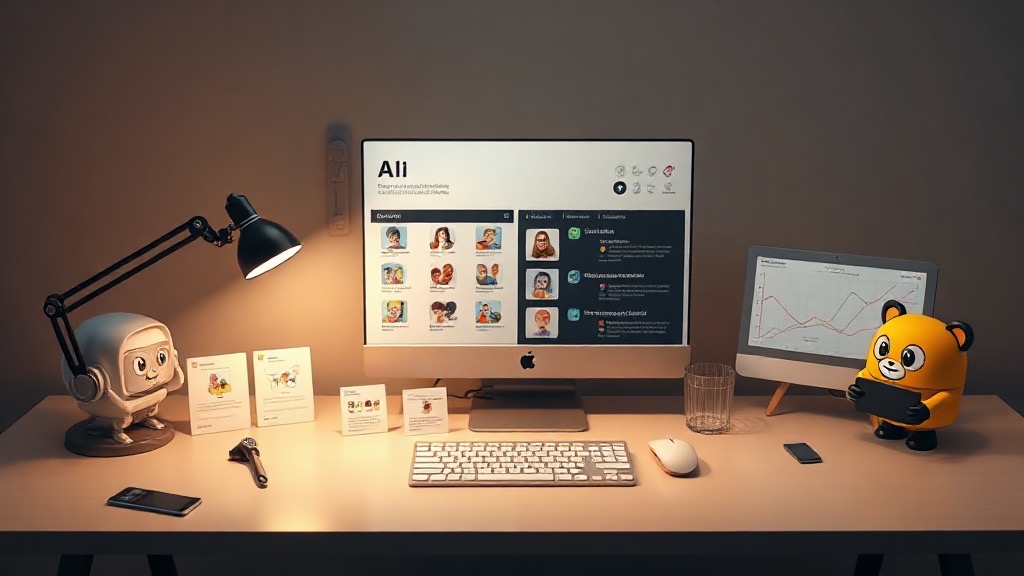
Train the Identity, Then Edit the Scene
A practical LoRA dataset and captioning strategy for keeping AI characters, brand mascots, and visual assets consistent across generated images.
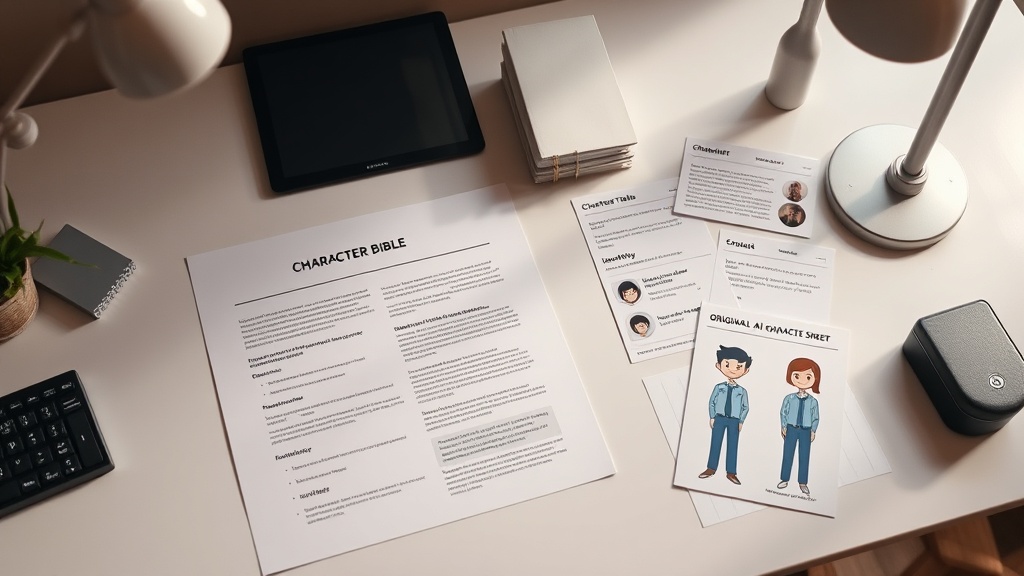
Text-First Character Design for AI Image Generation
A practical workflow for turning a loose character idea into a usable creative brief before you generate images, variants, or short videos.
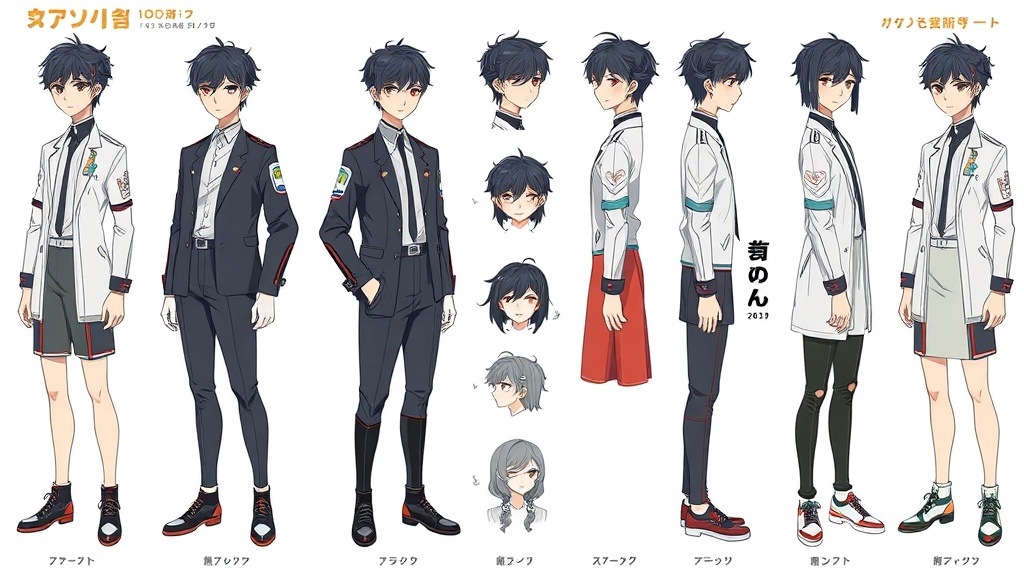
Character Consistency Is a System, Not a Prompt
How to keep an AI character recognizable across outfits, expressions, images, and short videos without relying on prompt luck.
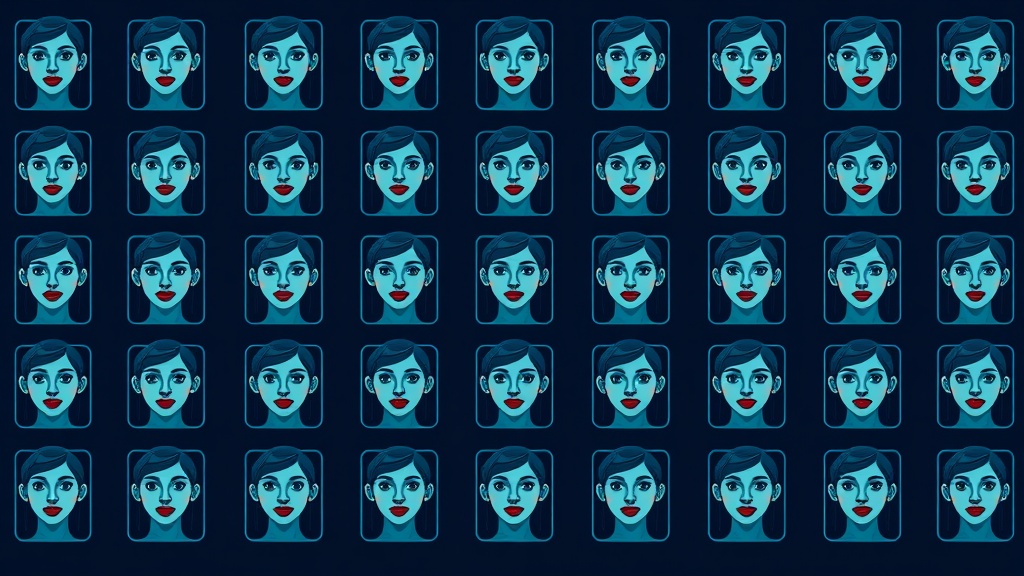
Face Consistency in AI Image Generation: The FLUX.2 Approach
FLUX.2 Klein with the Enhancer module locks character identity across angles, outfits, and scenes without the grid-collage hack. Here is how the multi-reference identity fix, NVIDIA PiD, and a VLM prompt pipeline change the AI influencer workflow.
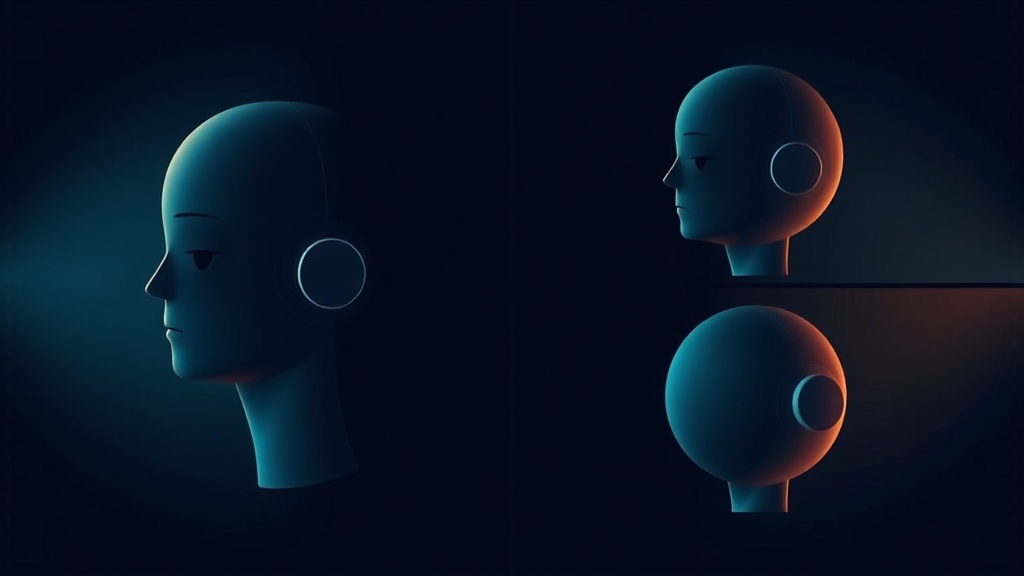
The Image-First Pipeline: How to Build Consistent AI Characters for Video
Character consistency breaks the moment you switch from images to video. Here's a two-step workflow that locks your design first, then animates it.