AI field notes
Reporting and context on AI tools, creative work, and the limits behind the headlines.
Explore the topic
43 articles · Page 2 of 4
Disposable Software: The Creators Who Build a Tool, Use It Once, and Throw It Away
When coding agents get fast enough, the economics of tooling flip. A Japanese AI manga creator now writes purpose-built utilities for single production tasks — a clip search engine for one character bank, intended for one project, then discarded. Why throwaway tools beat permanent apps for creative work, and where the limits are.
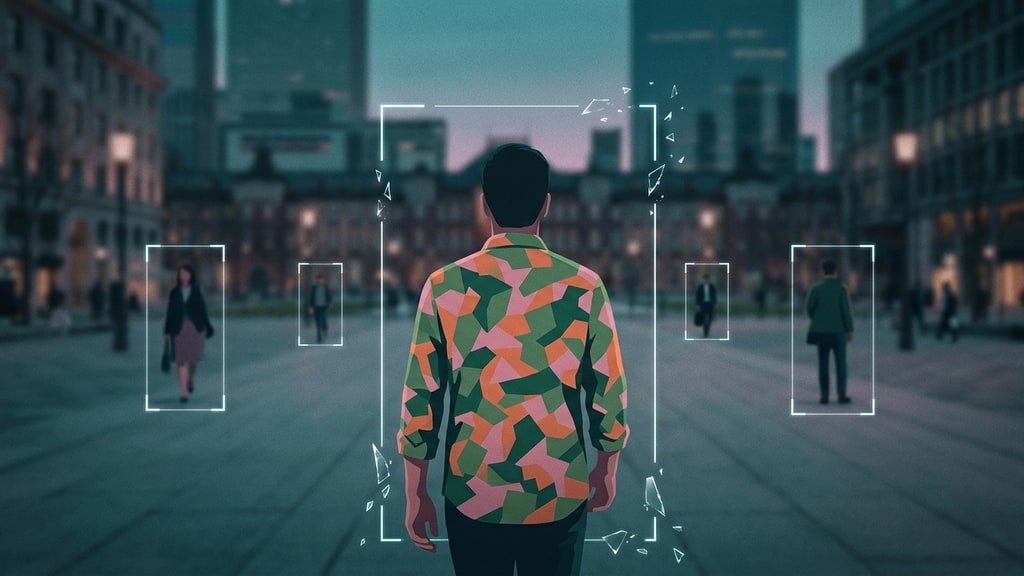
Adversarial Patterns for Designers: When Fabric Defeats a Vision Model
Berlin is rolling out AI behavior-scanning cameras, and a German artist is selling a shirt whose pattern makes YOLO object detectors stop seeing the wearer. The computer vision principles behind adversarial patterns matter to anyone who makes images with AI, because detectors and generators can both reflect learned visual patterns, even though their objectives and failure modes differ.

The Creative Studio Model Churn Playbook: Split What the Model Gives You From What You Own
A Japanese AI filmmaker argues that Nano Banana and Seedance 2.0 reset the market twice in six months, so technical advantages now expire faster than production cycles. His answer for studios: separate model-dependent assets from model-independent ones, and plan around model release dates instead of fiscal quarters.

A TV Network Just Aired Five Episodes Rewritten by AI
RTL used image editing, voice synthesis, and lip-sync adjustment to change characters, plot turns, and verdicts in five existing episodes of a daily court show. Not a tech demo: rights cleared, legally reviewed, aired in a regular slot. The quiet part is what the format choice reveals about where AI editing pays first.

596 Agent Commits, All Approved by Humans: Inside a One-Person AI Editorial
A Japanese creative-AI editorial publishes a daily blog, a monthly magazine, and commercial books from one Markdown source on GitHub. Agent commits merge only after human review, covers are deliberately kept manual, and the whole process survived four model generations unchanged.
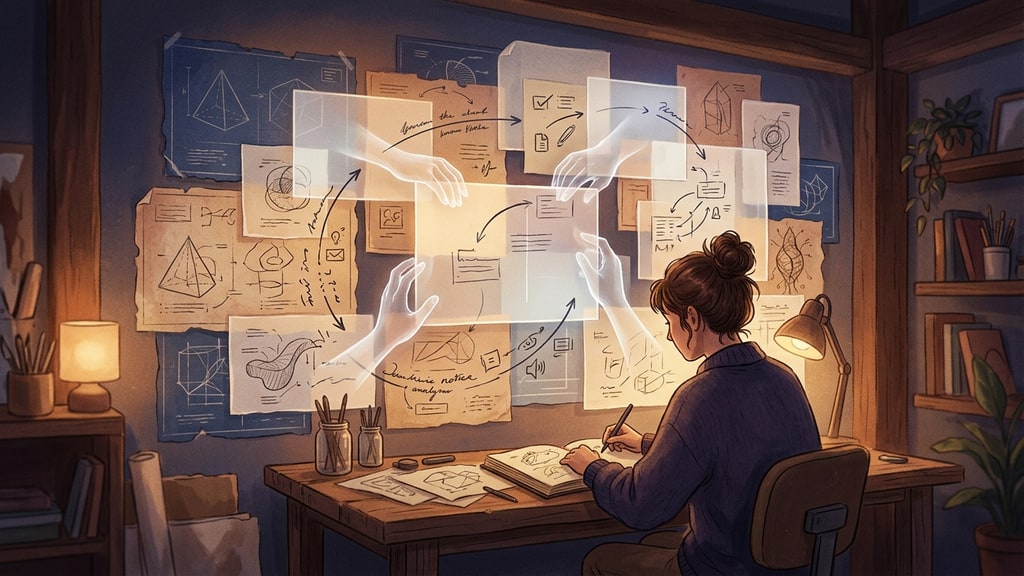
In Creative AI, You Never Finish Learning — Treat Relearning as the Skill
"Relearning" sounds like remedial catch-up, but in creative AI it is the actual job. Models, tools, and even the legal rules update faster than any memorized workflow can survive. Here is how to build a relearning loop instead of a pile of outdated procedures.

One Claude Prompt Debloats Android TV Without Breaking It: A Case Study in Agent Constraints
A Turkish developer published a prompt that lets Claude Code disable Android TV bloatware over ADB. The cleanup is nice. The constraint design is the interesting part, and every rule transfers to your own agent prompts.

Build the Tool You Are Missing: A Searchable Clip Bank for AI Manga and Anime
A solo AI creator with thousands of generated clips stopped scrubbing through folders and had Codex build a searchable clip bank instead. The method: strict guardrails around source footage, contact sheets, and a tiny index file.

The Open Letter on AI-Driven Cyberattacks Has One Line That Belongs on Your Desk
Over a hundred tech companies, including OpenAI, Anthropic, Google, and Microsoft, signed an open letter warning that AI-assisted cyberattacks are about to scale. Most of it addresses governments and enterprises. One clause — secure the code, including code generated by AI — is aimed squarely at people like us.

The Looking Glass: When a Map, a Year, and a Prompt Become a Time Machine
A French tech publication covered an open-source tool that generates an image of any point on Earth at any year from the Permian extinction to 3050. It is not an archive. It is a three-model pipeline bolted onto a map, and studying its architecture teaches a more useful lesson than the postcards: the strongest generative products are structured compositions of ordinary models, not frontier weights.

From Craftsman to Factory Designer: Running a One-Person Creative Company with AI Agents
A Japanese AI director argues solo creators hit a time ceiling that no amount of grinding fixes, and rebuilds their business as four agent-run production lines. Here is the method, adapted for people who make images and video for a living.

Split Your AI Stack: Offline Models for the Work You Cannot Paste Into a Chatbot
A Japanese data analyst watched professionals freeze in front of the ChatGPT input box, cursor hovering over client records. Her answer was not a better cloud model. It was a split stack: cloud AI for everything public, a small local model for the confidential slice. The reasoning holds in any language.