AI field notes
Reporting and context on AI tools, creative work, and the limits behind the headlines.
Explore the topic
43 articles · Page 3 of 4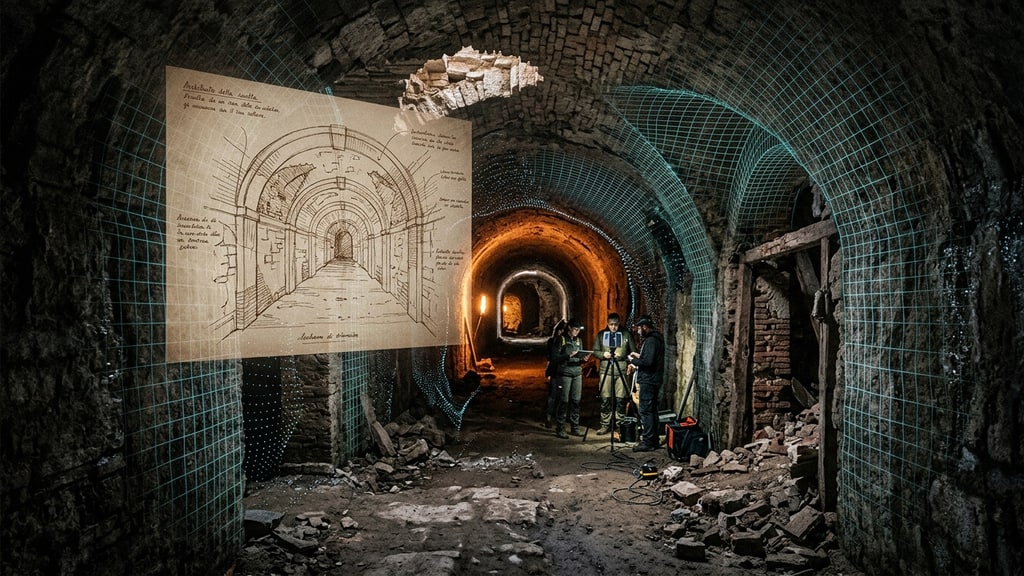
Rebuilding Lost Places: What a Leonardo Sketch and Ground-Penetrating Radar Teach About AI Reconstruction
Engineers confirmed hidden tunnels under Milan's Sforza Castle using radar scans and a 500-year-old Leonardo drawing, then set out to build a digital twin. The project is a clean case study in reconstructing the past from partial evidence, which is exactly the problem generative image tools are worst and best at.
McKinsey's AI ROI Numbers and What They Mean for Creative Teams
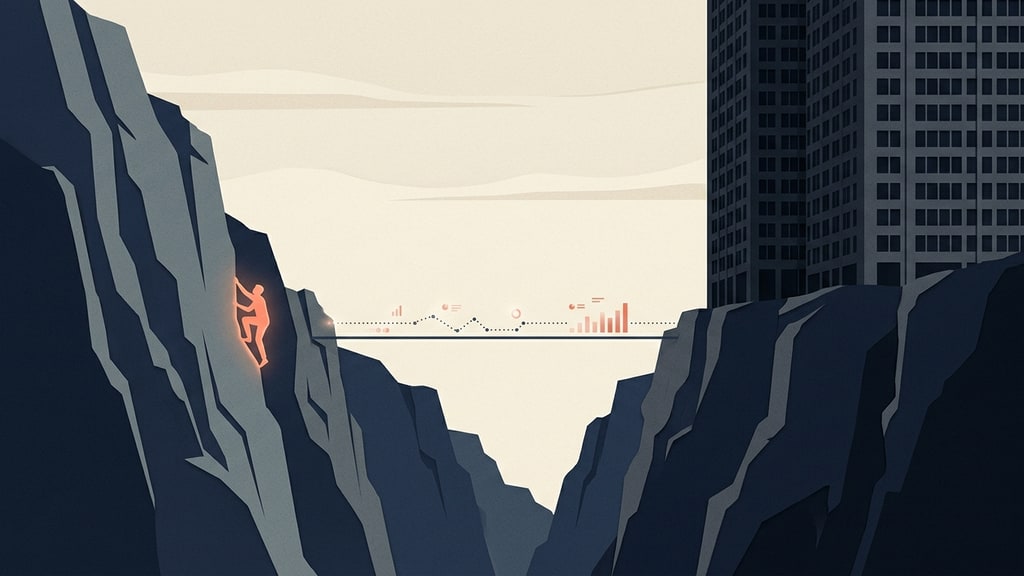
Roughly 37% of companies report any AI impact on operating profit, flat year over year, while 80% of individuals say AI made them more productive. That gap between felt productivity and booked profit is the actual operating condition for creative teams this year.

DLSS 4.5 Ray Reconstruction Is a Denoising Story, and So Is Your Image Generator
Nvidia shipped a new AI model that cleans up ray-traced lighting on every RTX card back to 2018, with almost no performance cost. Under the hood it is the same discipline generative image tools live or die by: denoising. What shipped, how to enable it, and which lessons actually transfer to image generation workflows.

Your AI Agents Never Sleep. The Approval Queue Still Eats Your Nights.
Agents can work around the clock, but every checkpoint where they wait for a human becomes a bottleneck that runs on your schedule. What the reporting inside agent-first startups found, and the design patterns that put the queue back in its place.

Anthropic Is Reportedly Asking Candidates: What If Safety Makes Your Equity Worthless?
A blunt money question is reportedly part of Anthropic interviews: how would you feel if the company slowed down for safety and your shares went to zero? A Spanish outlet reconstructed the reporting. It is a useful mirror for anyone building or joining mission-driven AI teams.

The DALL·E 2 Nostalgia: Why Imperfect AI Images Are the Ones We Miss
A viral side-by-side of the same cookie still life generated with DALL·E 2 and with today's models made most people pick the old one. The reaction says something real about over-optimized image models — and about keeping character in your own work.
The Invisible Watermark in AI Text: What It Can and Can't Prove
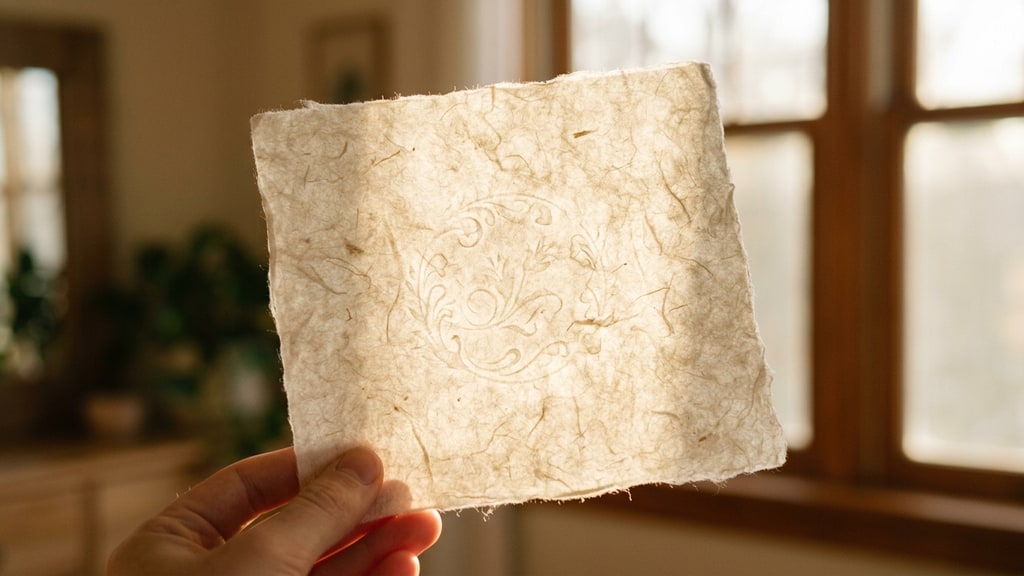
Claude now bakes an invisible watermark into text it generates, in Japan and everywhere else. Here's how the mark works, what detection actually proves, and why creators shouldn't treat it as a lie detector for slop.
Abliteration and the "Uncensored" Open-Weight Model Wave: What Removing a Refusal Actually Does
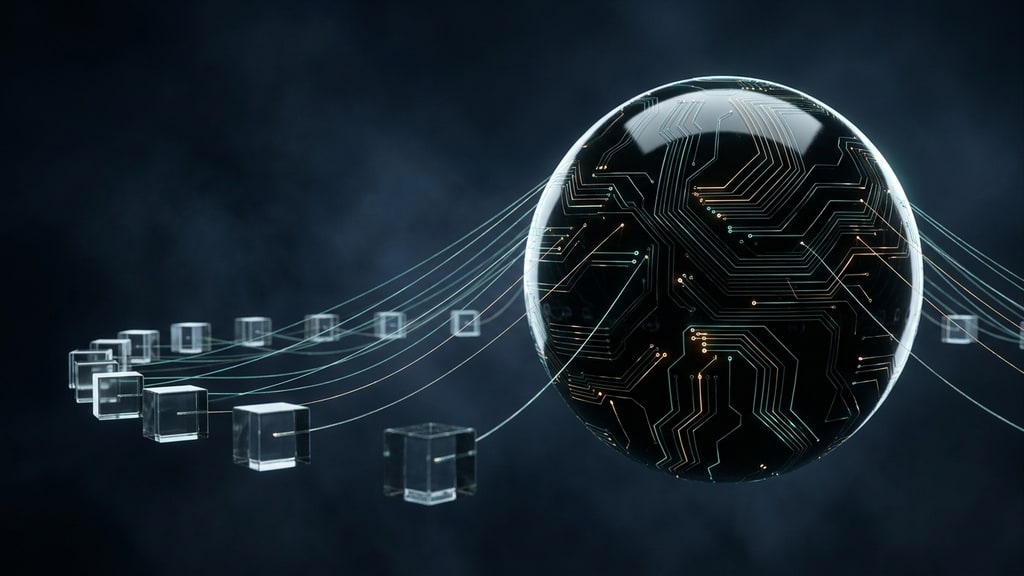
The day after Alibaba released Qwen 3.8, stripped-down "uncensored" variants were already on Hugging Face. The technique behind them, abliteration, does something more specific and more interesting than deleting a filter. Here is how it works, what it preserves, and what it actually removes.
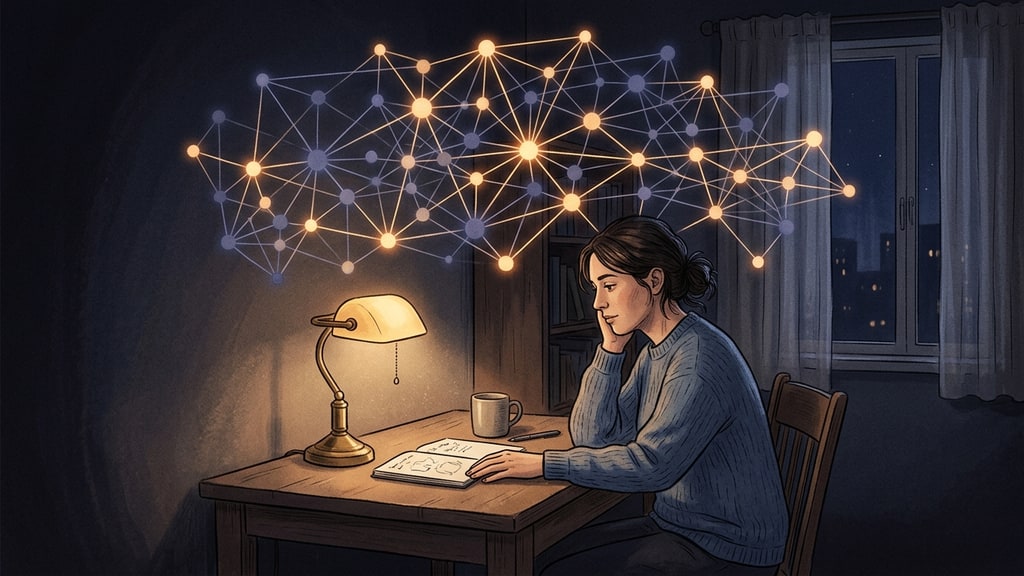
Why AI Tools Exhaust You More Than They Save You
Generative models cut your working time and still leave you drained by the end of the day. The reason is not the hours; much of it is the added cognitive load of checking, sorting, and rejecting output. Here is how AI brain fatigue works, and how to stop it from quietly switching off your own thinking.

ChatGPT Computer History: A Hands-On Look at the Privacy Settings Before You Enable It
OpenAI's Computer History feature remembers how you work in the Mac ChatGPT app and automates around it. It is opt-in and scoped by app: temporary event files are processed on OpenAI's servers to generate memories, raw data clears within roughly 48 hours, and summary memory stays in local files that Computer History does not encrypt. Relevant memories and interaction events can flow into future chats, which may in turn be used for model improvement under your data controls. What to check before flipping the toggle.

LLM-as-a-Judge: Using One Model to Grade Another (and Where It Falls Apart)
An LLM can grade another model's output against a rubric. The technique catches real failures, and it fails hardest exactly where you expect it to. Here is how it works, what it handles well, and how to adapt it when the thing you are checking is an image.
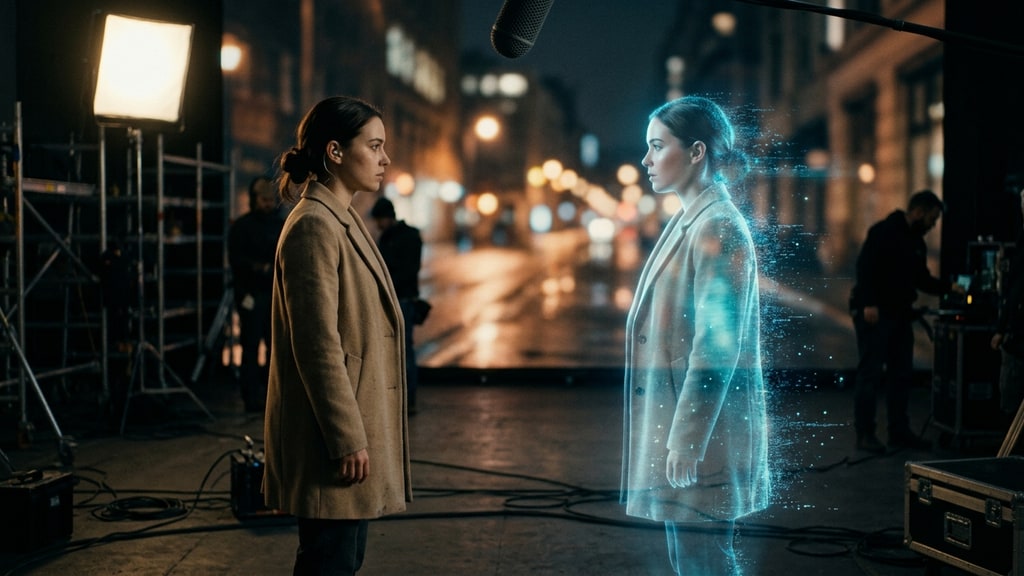
Actors Are Losing Roles to Their Own AI Clones
Microdrama studios are remaking vertical shows with AI versions of the original actors. The pattern says more about incentive structures than about model quality.