AI field notes
Reporting and context on AI tools, creative work, and the limits behind the headlines.
Explore the topic
99 articles · Page 7 of 9
596 Agent Commits, All Approved by Humans: Inside a One-Person AI Editorial
A Japanese creative-AI editorial publishes a daily blog, a monthly magazine, and commercial books from one Markdown source on GitHub. Agent commits merge only after human review, covers are deliberately kept manual, and the whole process survived four model generations unchanged.

In Creative AI, You Never Finish Learning — Treat Relearning as the Skill
"Relearning" sounds like remedial catch-up, but in creative AI it is the actual job. Models, tools, and even the legal rules update faster than any memorized workflow can survive. Here is how to build a relearning loop instead of a pile of outdated procedures.

One Claude Prompt Debloats Android TV Without Breaking It: A Case Study in Agent Constraints
A Turkish developer published a prompt that lets Claude Code disable Android TV bloatware over ADB. The cleanup is nice. The constraint design is the interesting part, and every rule transfers to your own agent prompts.

Build the Tool You Are Missing: A Searchable Clip Bank for AI Manga and Anime
A solo AI creator with thousands of generated clips stopped scrubbing through folders and had Codex build a searchable clip bank instead. The method: strict guardrails around source footage, contact sheets, and a tiny index file.

The Open Letter on AI-Driven Cyberattacks Has One Line That Belongs on Your Desk
Over a hundred tech companies, including OpenAI, Anthropic, Google, and Microsoft, signed an open letter warning that AI-assisted cyberattacks are about to scale. Most of it addresses governments and enterprises. One clause — secure the code, including code generated by AI — is aimed squarely at people like us.

The Looking Glass: When a Map, a Year, and a Prompt Become a Time Machine
A French tech publication covered an open-source tool that generates an image of any point on Earth at any year from the Permian extinction to 3050. It is not an archive. It is a three-model pipeline bolted onto a map, and studying its architecture teaches a more useful lesson than the postcards: the strongest generative products are structured compositions of ordinary models, not frontier weights.
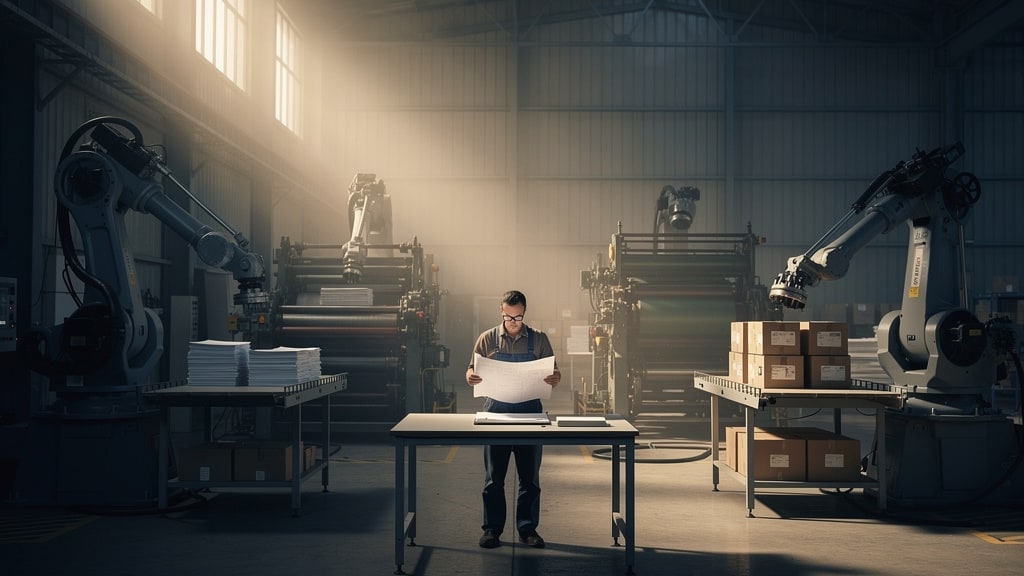
From Craftsman to Factory Designer: Running a One-Person Creative Company with AI Agents
A Japanese AI director argues solo creators hit a time ceiling that no amount of grinding fixes, and rebuilds their business as four agent-run production lines. Here is the method, adapted for people who make images and video for a living.

Split Your AI Stack: Offline Models for the Work You Cannot Paste Into a Chatbot
A Japanese data analyst watched professionals freeze in front of the ChatGPT input box, cursor hovering over client records. Her answer was not a better cloud model. It was a split stack: cloud AI for everything public, a small local model for the confidential slice. The reasoning holds in any language.
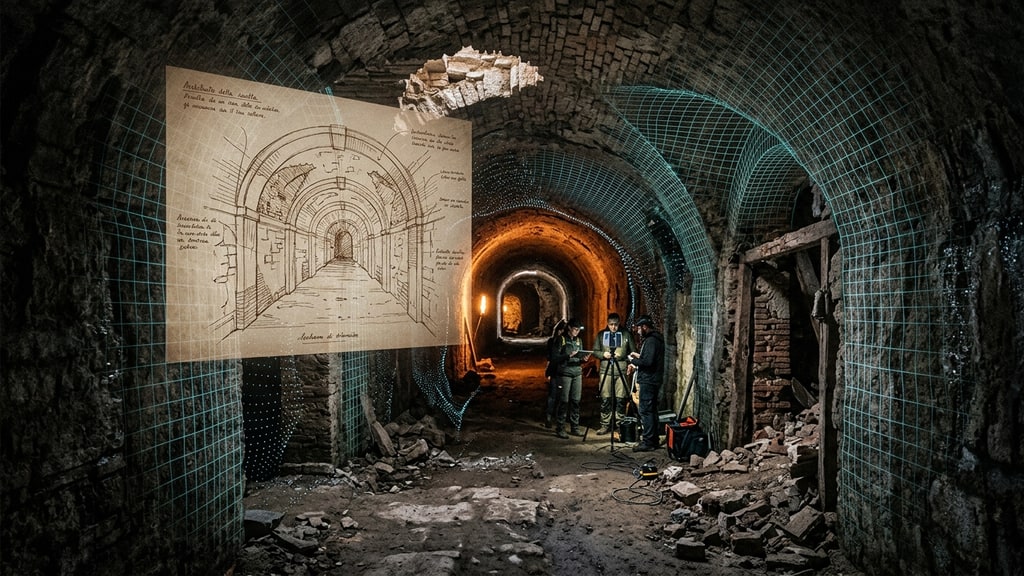
Rebuilding Lost Places: What a Leonardo Sketch and Ground-Penetrating Radar Teach About AI Reconstruction
Engineers confirmed hidden tunnels under Milan's Sforza Castle using radar scans and a 500-year-old Leonardo drawing, then set out to build a digital twin. The project is a clean case study in reconstructing the past from partial evidence, which is exactly the problem generative image tools are worst and best at.
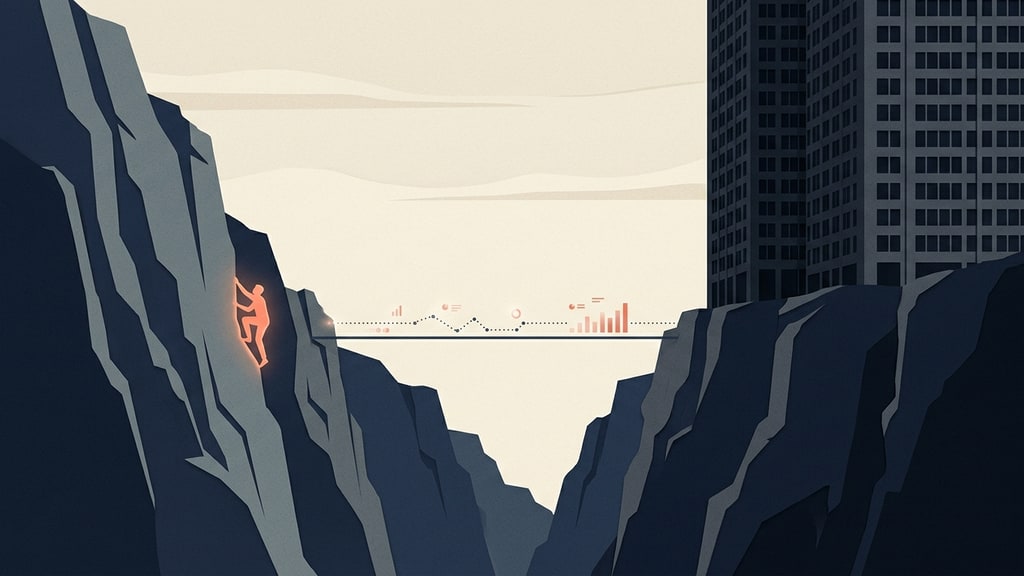
McKinsey's AI ROI Numbers and What They Mean for Creative Teams
Roughly 37% of companies report any AI impact on operating profit, flat year over year, while 80% of individuals say AI made them more productive. That gap between felt productivity and booked profit is the actual operating condition for creative teams this year.

DLSS 4.5 Ray Reconstruction Is a Denoising Story, and So Is Your Image Generator
Nvidia shipped a new AI model that cleans up ray-traced lighting on every RTX card back to 2018, with almost no performance cost. Under the hood it is the same discipline generative image tools live or die by: denoising. What shipped, how to enable it, and which lessons actually transfer to image generation workflows.

Your AI Agents Never Sleep. The Approval Queue Still Eats Your Nights.
Agents can work around the clock, but every checkpoint where they wait for a human becomes a bottleneck that runs on your schedule. What the reporting inside agent-first startups found, and the design patterns that put the queue back in its place.