The Phosphene journal
Practical AI image and video guides
Workflows, prompts, and tools for your next image or video.
All articles
115 articles · Page 2 of 10
From Prompt to Skill: Context Engineering for Reusable AI Workflows
One good prompt is a tool. A repeatable prompt with the right context is a skill. A German tech publisher laid out a framework that separates stable rules from situational material and on-demand retrieval, then splits long tasks into chains with checkpoints.

ChatGPT Images 2.5: From Finger Sketch to Finished Art in 30 Seconds
OpenAI released ChatGPT Images 2.5 with a Sketch feature, partial editing that survives multiple instructions, and marketing templates. A hands-on Japanese test shows what actually changed for editing workflows.

GPT Image 2.5: Flare vs Sunburst, Credits, and the Spatial Consistency Audit
GPT Image 2.5 ships as two models with different jobs, and the credit math reshuffles which flagship models make sense. A Japanese studio test shows how to audit multi-panel spatial consistency with a critic model.

ChatGPT Images 2.5 Makes Editing the Main Workflow
OpenAI’s new image model keeps reference subjects recognizable, follows local edits without redrawing everything, and holds changes stable across a long conversation. Here is what changed for people who actually iterate on images.

Google Lyria 3.5 Review: Free Music Generation Inside the App You Already Use
Google brought the Lyria 3.5 music model to the Gemini app, AI Studio, and the API. In the Gemini app it works with no separate music-service signup; the API is paid tier only, at $0.08 per song. A Japanese creator tested genre prompts, image-to-music, and vocal tracks, and found the real story is the distribution, not the model. Here is what that means for creators who need one incidental track.

When Motion Stops Being Special: What Clients Pay For After Video Commoditizes
A Japanese AI film essay argues the real change is not amateurs making commercial-grade anime, but private animation seeping into everyday places that never used motion before. That shift erodes the default budget justification for video, and what clients pay professionals for changes with it.
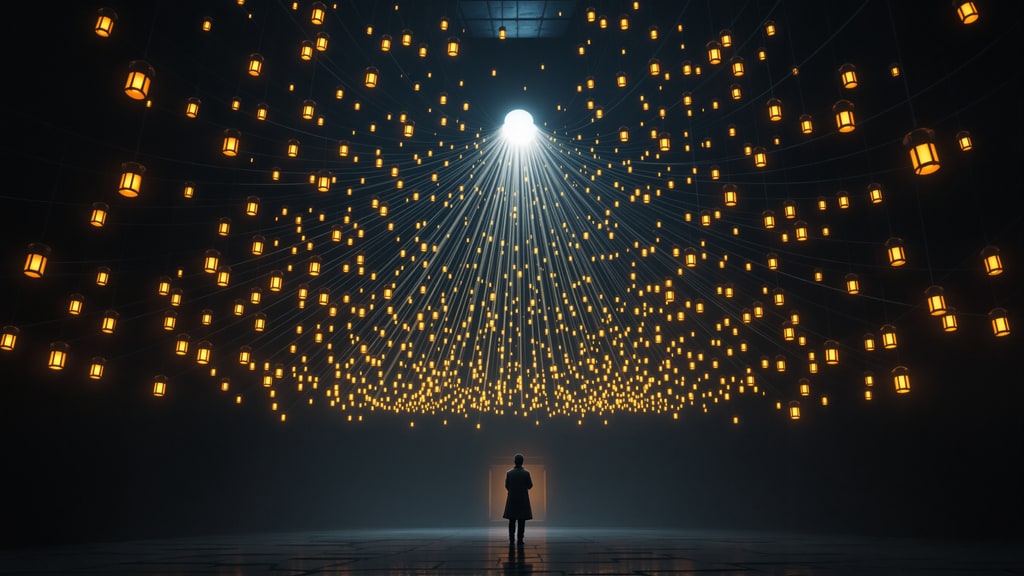
One Graph Beats a Swarm of Agents
Anthropic had Claude agents formalize Fermat's Last Theorem in Lean. The first attempts collapsed into duplicated work and lost track of the project. The fix was not a better model — it was a shared dependency graph. Here is what that teaches about running many agents on one creative pipeline.
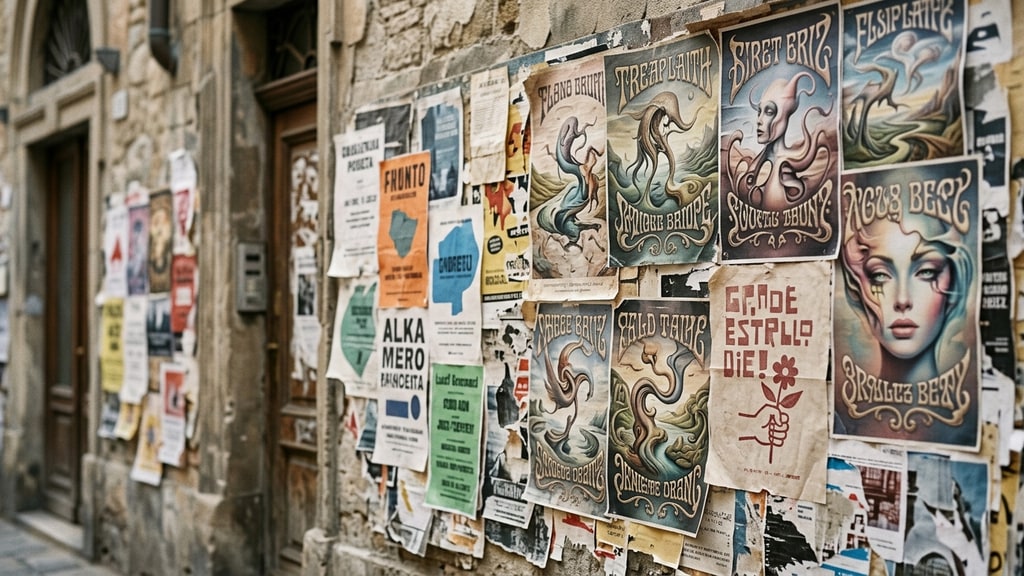
Why AI Posters Make People Angry
French streets filled up with AI-generated flyers this summer and the backlash went viral: one drawing pulled 1.2 million views in three days. A look at what the anger is actually about, and how to make cheap visuals that do not read as slop.

Disposable Software: The Creators Who Build a Tool, Use It Once, and Throw It Away
When coding agents get fast enough, the economics of tooling flip. A Japanese AI manga creator now writes purpose-built utilities for single production tasks — a clip search engine for one character bank, intended for one project, then discarded. Why throwaway tools beat permanent apps for creative work, and where the limits are.
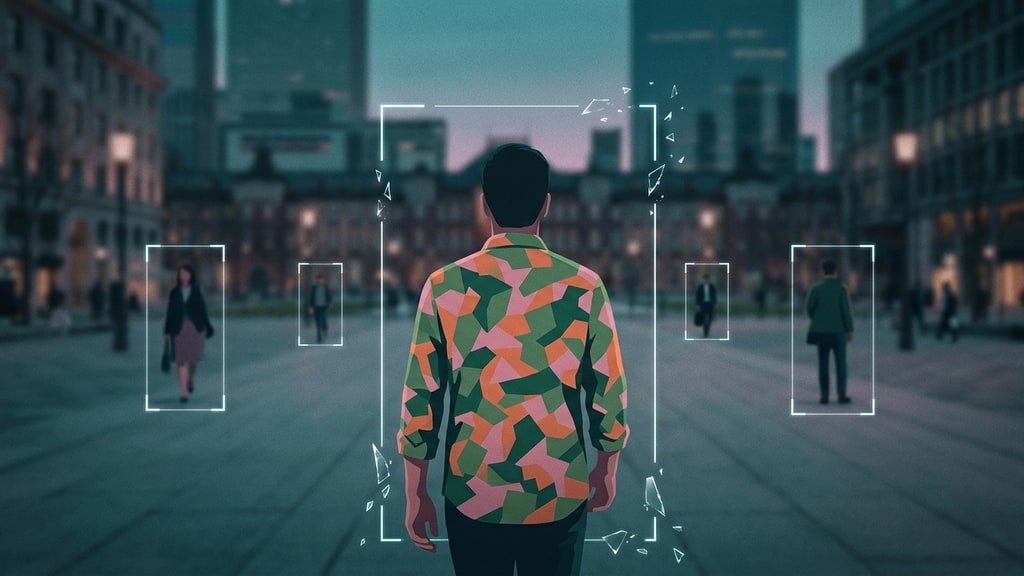
Adversarial Patterns for Designers: When Fabric Defeats a Vision Model
Berlin is rolling out AI behavior-scanning cameras, and a German artist is selling a shirt whose pattern makes YOLO object detectors stop seeing the wearer. The computer vision principles behind adversarial patterns matter to anyone who makes images with AI, because detectors and generators can both reflect learned visual patterns, even though their objectives and failure modes differ.

The Creative Studio Model Churn Playbook: Split What the Model Gives You From What You Own
A Japanese AI filmmaker argues that Nano Banana and Seedance 2.0 reset the market twice in six months, so technical advantages now expire faster than production cycles. His answer for studios: separate model-dependent assets from model-independent ones, and plan around model release dates instead of fiscal quarters.

Why Your Turbo LoRA Isn't Making MiniMax H3 Faster
Distillation cuts the step count, but attention compute and VAE decode still own most of MiniMax H3 render time. A Japanese ComfyUI workflow pairs a baked-in fused Turbo with SLA sparse attention and a latent upscale pass, and the way it splits the problem is worth copying.