Practical AI image and video guides
Workflows, prompts, and tools for your next image or video.
All articles
239 articles · Page 14 of 20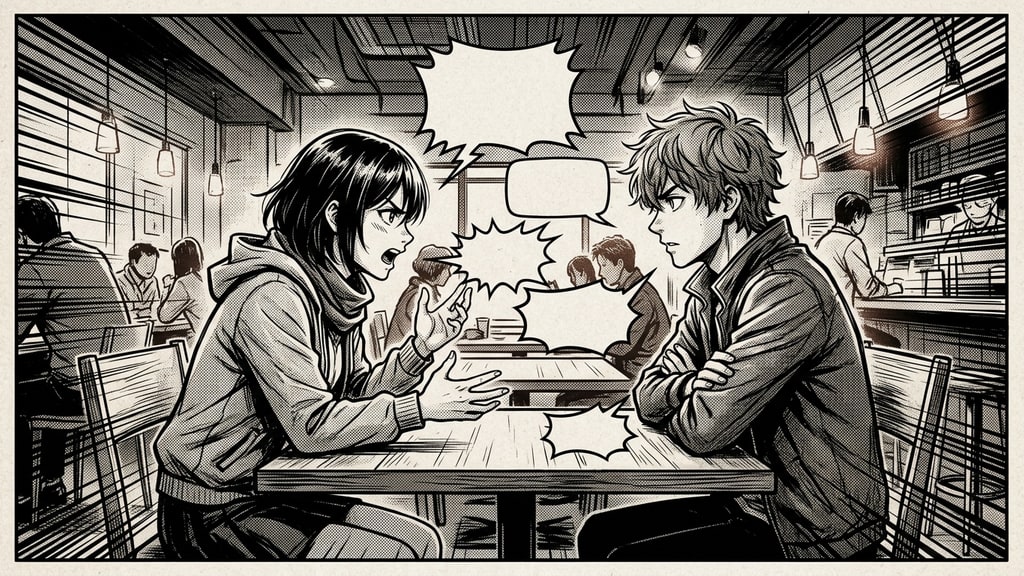
From Character to Panel: Making AI Manga Scenes That Actually Read as Comics
You can generate a beautiful AI character, but the moment you add dialogue and speech bubbles the whole image falls apart. A hands-on test of PixAI Tsubaki.3 shows what a manga panel actually requires — and the workflow that fixes text without destroying the scene.
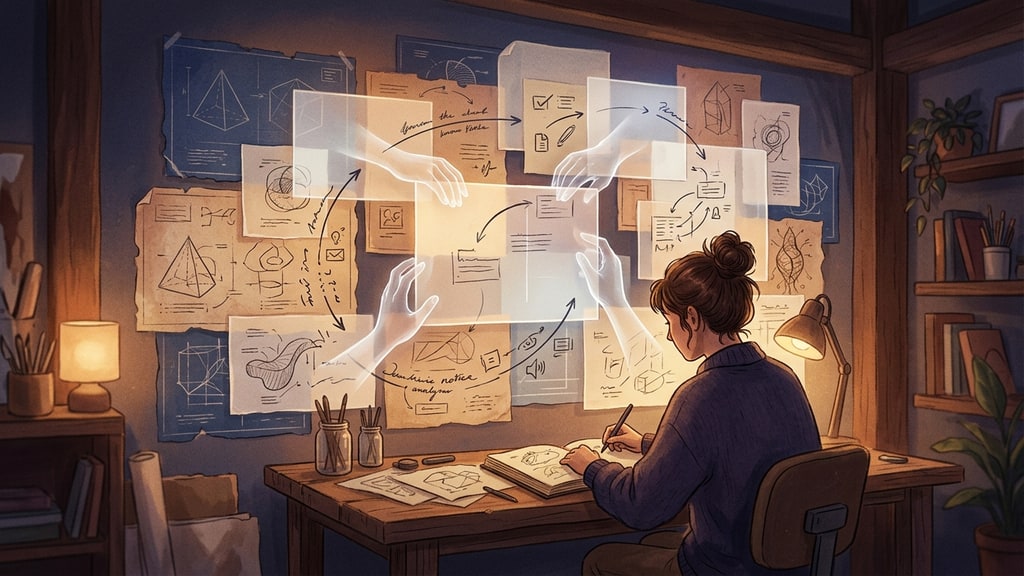
In Creative AI, You Never Finish Learning — Treat Relearning as the Skill
"Relearning" sounds like remedial catch-up, but in creative AI it is the actual job. Models, tools, and even the legal rules update faster than any memorized workflow can survive. Here is how to build a relearning loop instead of a pile of outdated procedures.

What the Temperature Setting Actually Does in AI Models (and What It Cannot Do)
Temperature is the most misunderstood slider in AI tools. Here is what it really controls, what a 2024 study found about the creativity myth, and how the same randomness logic maps onto seeds and guidance in image generation.

One Claude Prompt Debloats Android TV Without Breaking It: A Case Study in Agent Constraints
A Turkish developer published a prompt that lets Claude Code disable Android TV bloatware over ADB. The cleanup is nice. The constraint design is the interesting part, and every rule transfers to your own agent prompts.

Build the Tool You Are Missing: A Searchable Clip Bank for AI Manga and Anime
A solo AI creator with thousands of generated clips stopped scrubbing through folders and had Codex build a searchable clip bank instead. The method: strict guardrails around source footage, contact sheets, and a tiny index file.

AI Video Can Beat Playback Speed Under the Right Conditions. The Price Tag Is the Story.
An accelerated MiniMax H3 variant called H3 Max can generate some clips faster than they play. Under favorable loads, buffered interactive AI livestreams are already running. Here is how the trick works, what happened on Twitch and Kick, and what a nonstop stream actually costs.
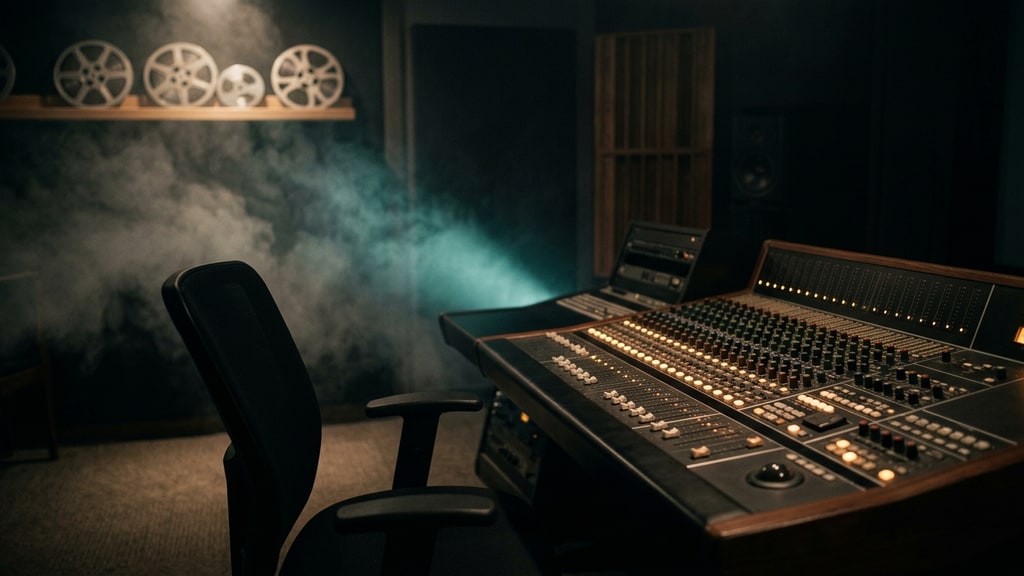
Finish the Audio Last: A Three-Pass MiniMax H3 Refine Workflow
Fast MiniMax H3 passes look fine and sound wrong. A Japanese ComfyUI builder chains an acceleration LoRA draft, a video-frozen audio refinement pass, and a latent upscaler into one relay that finishes a single shot properly. The packaged workflow is membership-only, but the techniques are public and worth stealing.

Prompt Order Decides Whether Your Character Survives the Next Generation
A 2026 Japanese prompt-engineering guide makes one claim worth stealing wholesale: in diffusion UIs, earlier tokens matter more. Core traits first, staged fixation instead of one-shot prompts, LoRA trigger words moved to the front, and reference images treated as scaffolding rather than law. A field guide adapted from the original.
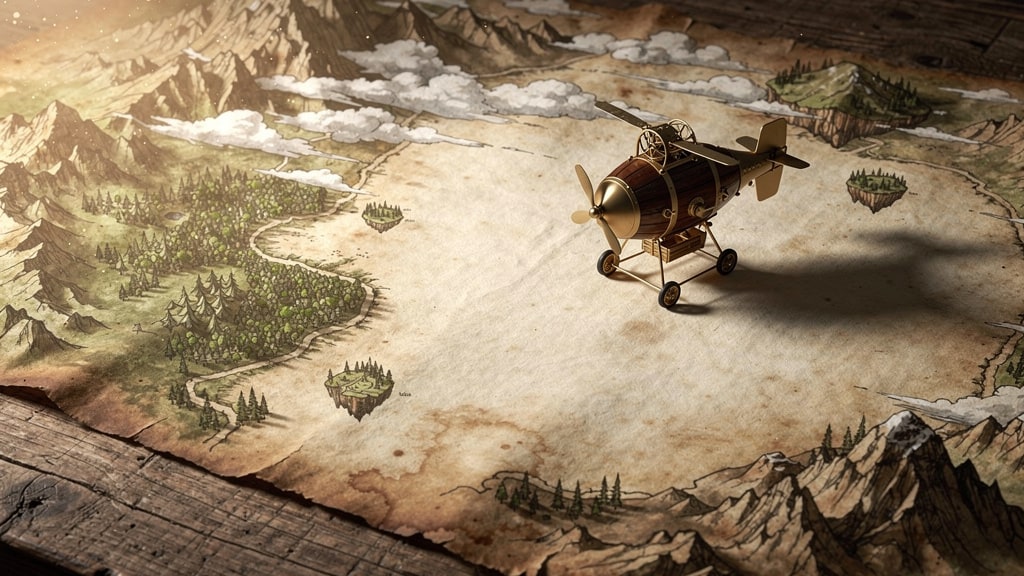
Build the World Before the Music Video: A Three-Week AI Production Post-Mortem
A Japanese solo creator spent three weeks on one AI music video and calls the result "60 points." The production log shows where the time went: a week of world design before any generation, a hand-built storyboard player, and a stack of five narrow AI tools instead of one. An honest adaptation, including the parts that did not work.

The Open Letter on AI-Driven Cyberattacks Has One Line That Belongs on Your Desk
Over a hundred tech companies, including OpenAI, Anthropic, Google, and Microsoft, signed an open letter warning that AI-assisted cyberattacks are about to scale. Most of it addresses governments and enterprises. One clause — secure the code, including code generated by AI — is aimed squarely at people like us.
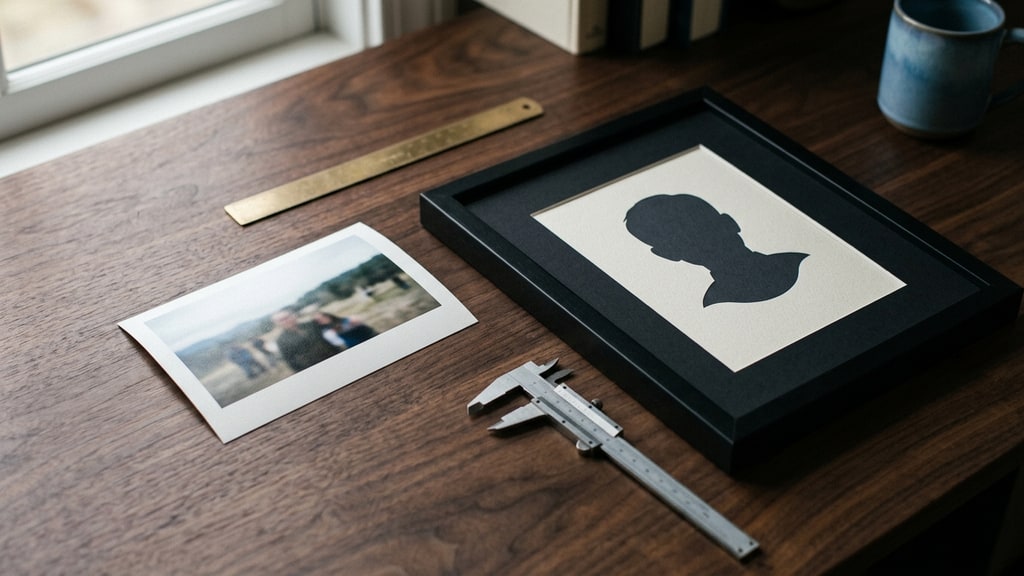
From Phone Snapshot to ID Photo: Spec-First Prompting for Nano Banana Pro
A Japanese writer needed an ID photo the night before a deadline and tried to rescue a casual phone snapshot with Nano Banana Pro. Four failed rewrites and forty lost minutes later, the lesson is clear: give an image editor measurable specs, not genre labels. A practical adaptation, with the boundaries you should not cross.

The Looking Glass: When a Map, a Year, and a Prompt Become a Time Machine
A French tech publication covered an open-source tool that generates an image of any point on Earth at any year from the Permian extinction to 3050. It is not an archive. It is a three-model pipeline bolted onto a map, and studying its architecture teaches a more useful lesson than the postcards: the strongest generative products are structured compositions of ordinary models, not frontier weights.