The Phosphene journal
Practical AI image and video guides
Workflows, prompts, and tools for your next image or video.
All articles
115 articles · Page 6 of 10
Why Everyday Actions Are the Hardest Seedance Prompts (And How to Write Them)
Explosions and dance shots generate fine. Putting on pants falls apart. Everyday actions are the hardest thing to ask an AI video model for, because the viewer already knows the correct answer. Here is how to write Seedance prompts for them, grounded in the Seedance 2.0 and 2.5 technical reports.
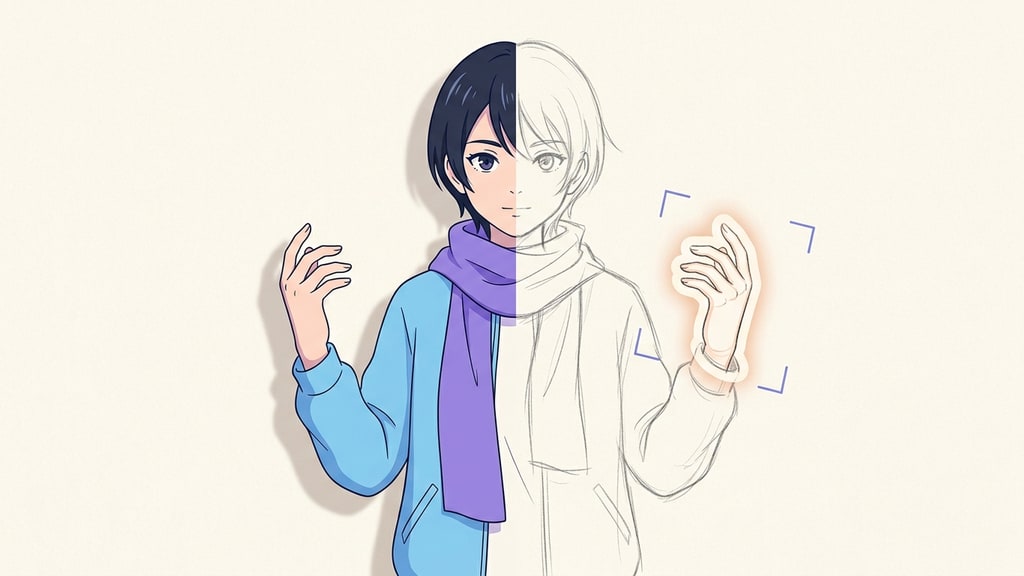
Targeted AI Image Editing: Fix the Pose, Keep the Style
Regenerating an image to fix one flaw usually destroys the rest of it. A targeted edit keeps the original art and changes only what you point at. Here is a practical editing workflow built from inpainting, natural-language edits, and reference transplants.

The Case for Keeping a Legacy Model: Midjourney as an Ideation Engine
Creators usually ditch an image model once a newer one looks better. A Japanese visual magazine team argues the opposite: keep the old model for the strange, half-broken ideas it produces, then clean them up with a modern editing model.

Why AI Tools Exhaust You More Than They Save You
Generative models cut your working time and still leave you drained by the end of the day. The reason is not the hours; much of it is the added cognitive load of checking, sorting, and rejecting output. Here is how AI brain fatigue works, and how to stop it from quietly switching off your own thinking.

Why Your AI Image Composition Misses: Decompose the Prompt, Stop Stacking Adjectives
Adding 'cinematic, masterpiece, 8K' to a prompt makes the frame busier, not more controllable. Composition drift is an articulation problem, not a model problem. A decomposition method for writing images that actually match your intent.

ChatGPT Computer History: A Hands-On Look at the Privacy Settings Before You Enable It
OpenAI's Computer History feature remembers how you work in the Mac ChatGPT app and automates around it. It is opt-in and scoped by app: temporary event files are processed on OpenAI's servers to generate memories, raw data clears within roughly 48 hours, and summary memory stays in local files that Computer History does not encrypt. Relevant memories and interaction events can flow into future chats, which may in turn be used for model improvement under your data controls. What to check before flipping the toggle.

LLM-as-a-Judge: Using One Model to Grade Another (and Where It Falls Apart)
An LLM can grade another model's output against a rubric. The technique catches real failures, and it fails hardest exactly where you expect it to. Here is how it works, what it handles well, and how to adapt it when the thing you are checking is an image.

MiniMax H3 ref2va Turbo LoRA: Four Times Faster With a Different Look
A Turbo LoRA cuts MiniMax H3 ref2va renders from 16 minutes to under 4. The catch is a five-setting workflow change most people miss, a sigma shift that quietly changes your output, and a VRAM bill that goes up, not down.

MiniMax H3 for AI Anime: Matching Seedance 2.5 at a Quarter of the Cost
A Japanese AI filmmaker reran his video test in the anime lane: same character reference, same prompt, 16 seconds. MiniMax H3 kept up with Seedance 2.5 while costing a fraction of the credits. The reason changes how you should rank models.
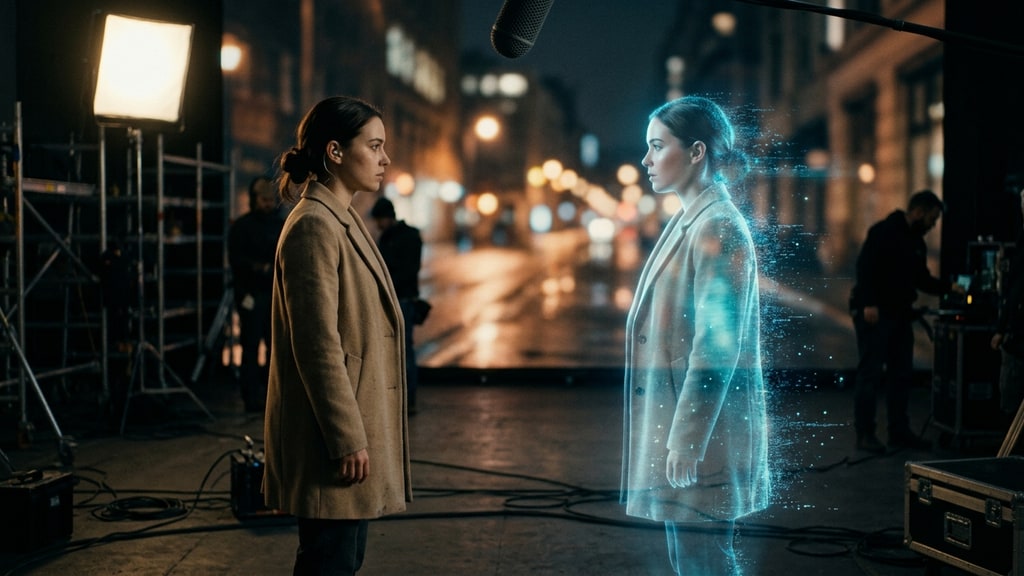
Actors Are Losing Roles to Their Own AI Clones
Microdrama studios are remaking vertical shows with AI versions of the original actors. The pattern says more about incentive structures than about model quality.

One API Key for the Whole Pipeline: Streaming TTS, Image, and Transcription Without the Chunking Tax
A Japanese AI platform shows a useful pattern for creator tools: a single OpenAI-compatible key that covers image generation, long-form text-to-speech, and transcription. The interesting parts are streaming long audio without chunking, reference-image character consistency, and an API design built around predictable budgets.
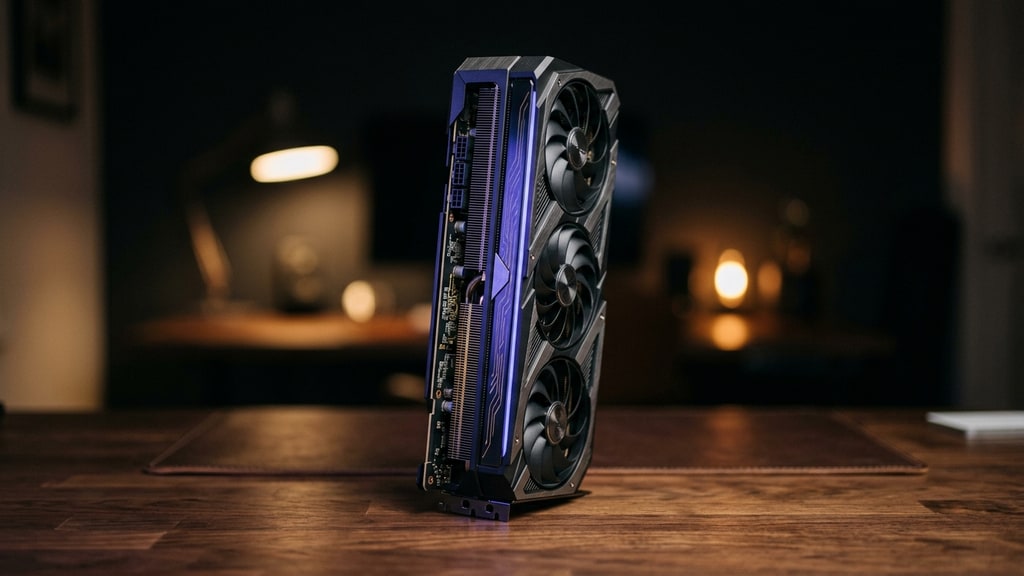
A 27B Model on a Gaming GPU: Qwen 3.8 Shows Local AI Stopped Being a Compromise
Alibaba shipped Qwen3.8-27B open weights and the self-hosting community responded with a countdown page. A hands-on German test shows what actually runs on 16-24GB consumer cards: the VRAM ladder, quantization reality, and where the gap to frontier models really stands.