The Phosphene journal
Practical AI image and video guides
Workflows, prompts, and tools for your next image or video.
All articles
115 articles · Page 3 of 10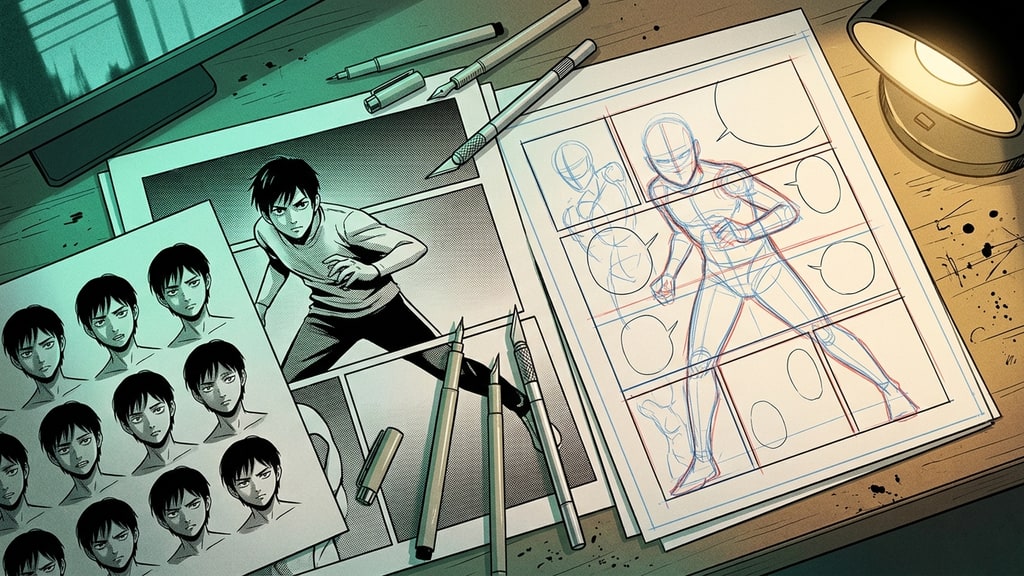
A Serialized AI Manga, Remade From Scratch in a New Tool
After a year and a half of serialization, the AI horror manga YOUKAI rebuilt its first episode in Anifusion from zero. A remake is the sharpest test of a creative tool you can run, and the Japanese writeup of this one is unusually honest about what broke. What the exercise reveals about character consistency, per-panel staging, and the skills that actually gate AI comics now.
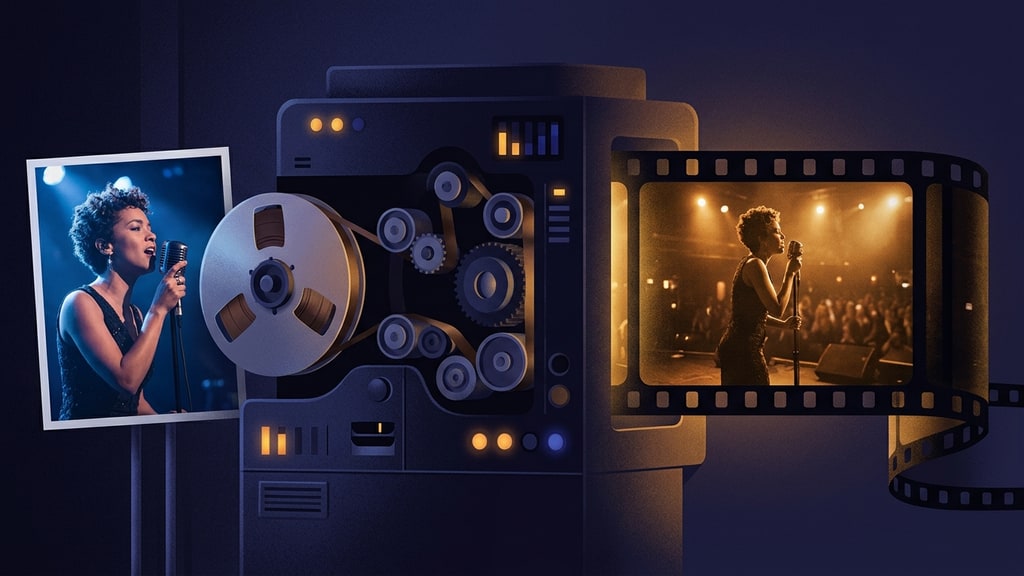
Two Files In, a Music Video Out: When the Director Is a Vision Model
A Japanese ComfyUI author reports a pipeline that turns one reference image and one audio track into a music video with stereo sound and lip sync, running on a single mid-range GPU per the author

Cinematic AI Video Prompts: Camera, Focus, Light, and Motion
Write AI video prompts as concrete camera decisions. Use a shot diagram, example prompts, and a review checklist to diagnose flat lighting and weak depth.

128 GB of Unified Memory in a Laptop: What Local Image Generation Actually Gains
ASUS new ProArt machines put NVIDIA RTX Spark, a 20-core Arm CPU, and up to 128 GB of shared memory in chassis as light as 1.48 kg. The spec sheet implies local AI finally matches the cloud. For image generation specifically, the honest answer is more layered: uniform memory helps model capacity, but VRAM is not the whole pipeline.

Stop Reshooting Your Listing Photos: Swapping Only the Background in Nano Banana Pro
A marketplace seller with no lights and no backdrop cloth spent 30 minutes and three re-dos on one photo, all because "make the background white" bleeds into the product. Here is the anatomy of that failure and how to instruct an image editor to replace the backdrop while the product stays untouched.
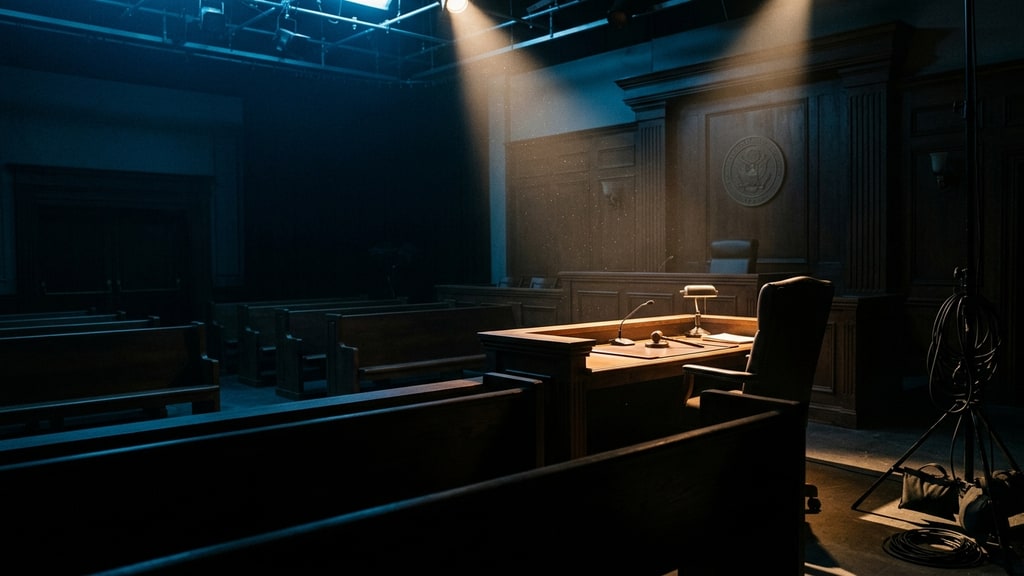
A TV Network Just Aired Five Episodes Rewritten by AI
RTL used image editing, voice synthesis, and lip-sync adjustment to change characters, plot turns, and verdicts in five existing episodes of a daily court show. Not a tech demo: rights cleared, legally reviewed, aired in a regular slot. The quiet part is what the format choice reveals about where AI editing pays first.
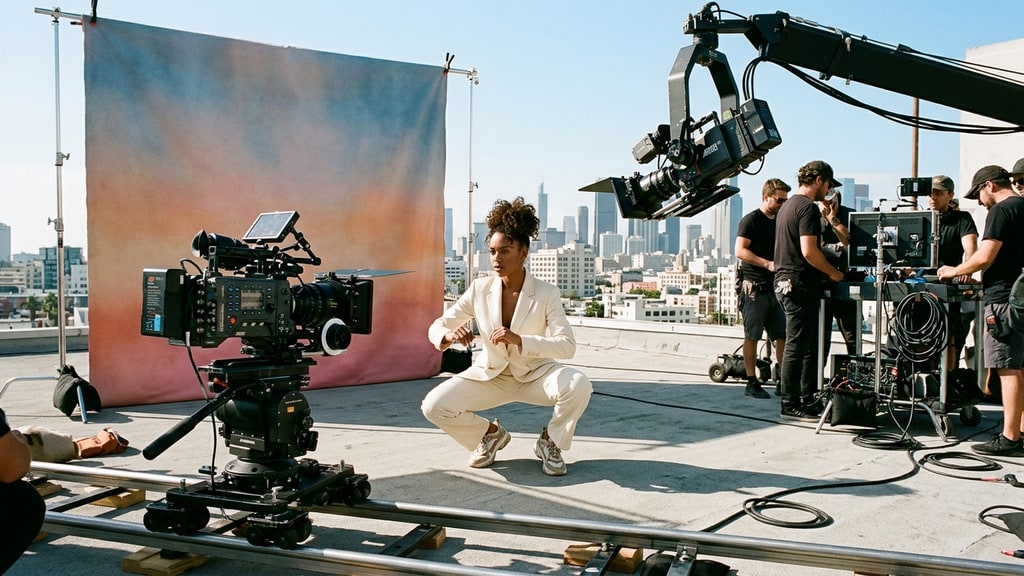
Let the Model Move: Pose Reference Contact Sheets for AI Music Videos
Verbose motion prompts control every beat but grade your taste. A six-panel posing contact sheet built in Nano Banana Pro hands the choreography to Seedance 2.5, and the model often moves harder than anything you would have scripted. Here is the recipe, plus a decision rule for when to write motion and when to hand it over.

596 Agent Commits, All Approved by Humans: Inside a One-Person AI Editorial
A Japanese creative-AI editorial publishes a daily blog, a monthly magazine, and commercial books from one Markdown source on GitHub. Agent commits merge only after human review, covers are deliberately kept manual, and the whole process survived four model generations unchanged.
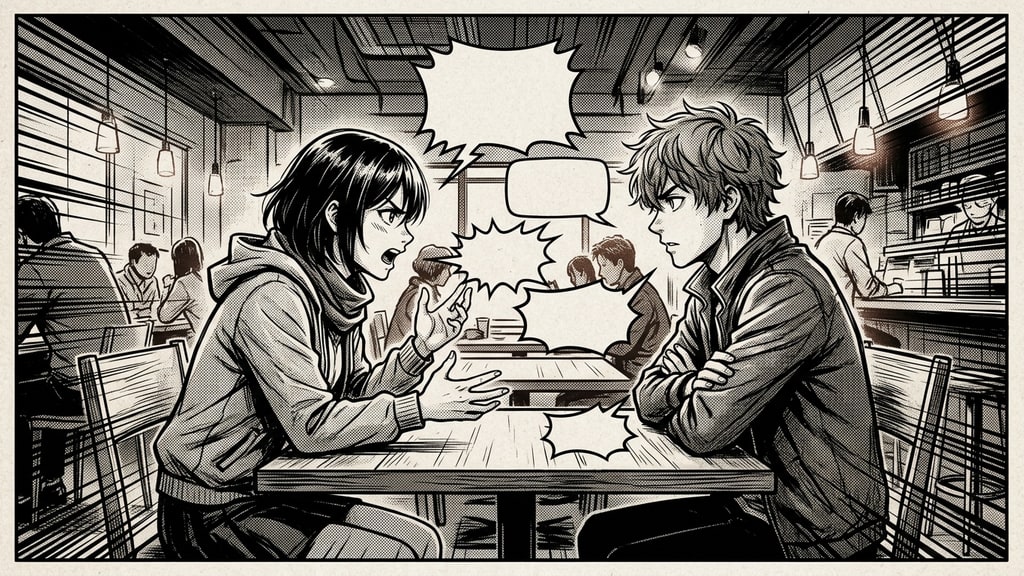
From Character to Panel: Making AI Manga Scenes That Actually Read as Comics
You can generate a beautiful AI character, but the moment you add dialogue and speech bubbles the whole image falls apart. A hands-on test of PixAI Tsubaki.3 shows what a manga panel actually requires — and the workflow that fixes text without destroying the scene.

In Creative AI, You Never Finish Learning — Treat Relearning as the Skill
"Relearning" sounds like remedial catch-up, but in creative AI it is the actual job. Models, tools, and even the legal rules update faster than any memorized workflow can survive. Here is how to build a relearning loop instead of a pile of outdated procedures.

What the Temperature Setting Actually Does in AI Models (and What It Cannot Do)
Temperature is the most misunderstood slider in AI tools. Here is what it really controls, what a 2024 study found about the creativity myth, and how the same randomness logic maps onto seeds and guidance in image generation.

One Claude Prompt Debloats Android TV Without Breaking It: A Case Study in Agent Constraints
A Turkish developer published a prompt that lets Claude Code disable Android TV bloatware over ADB. The cleanup is nice. The constraint design is the interesting part, and every rule transfers to your own agent prompts.