Practical AI image and video guides
Workflows, prompts, and tools for your next image or video.
All articles
239 articles · Page 18 of 20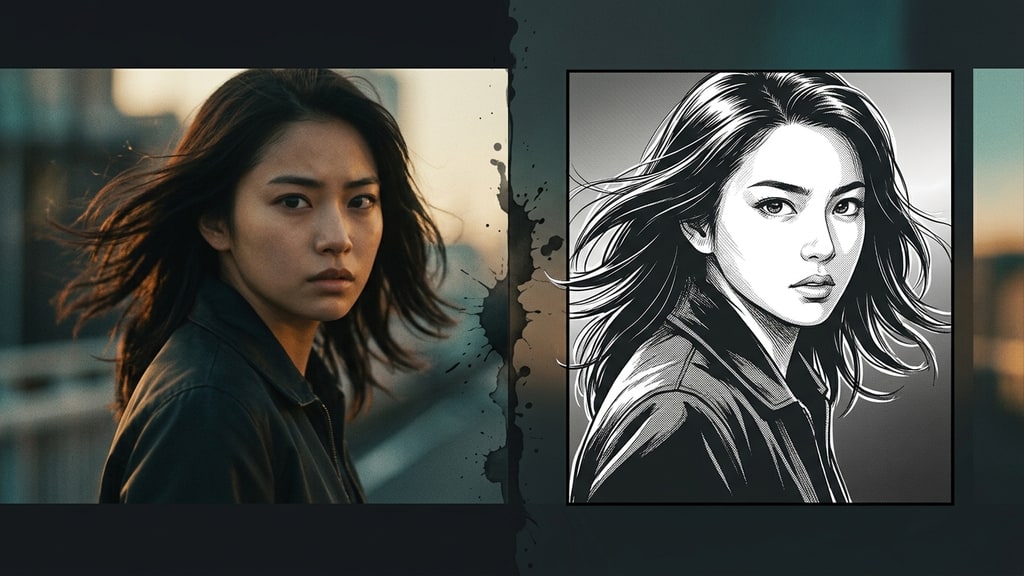
Generate Video Once, Publish Three Ways: The Multi-Format AI Production Pipeline
A Japanese solo creator runs live-action drama, anime, and manga from one video-first pipeline: a character bank of short generated clips, frame extraction instead of still-image generation, and a physical paneling step no model can replace.

Limited Animation Is the Missing Skill in AI Anime Production
A Japanese AI anime studio rebuilt limited animation techniques for AI production: Kling 3.0 for prototyping, older models for cost control, and a production split that treats the anime as a sub-project. What works and why.
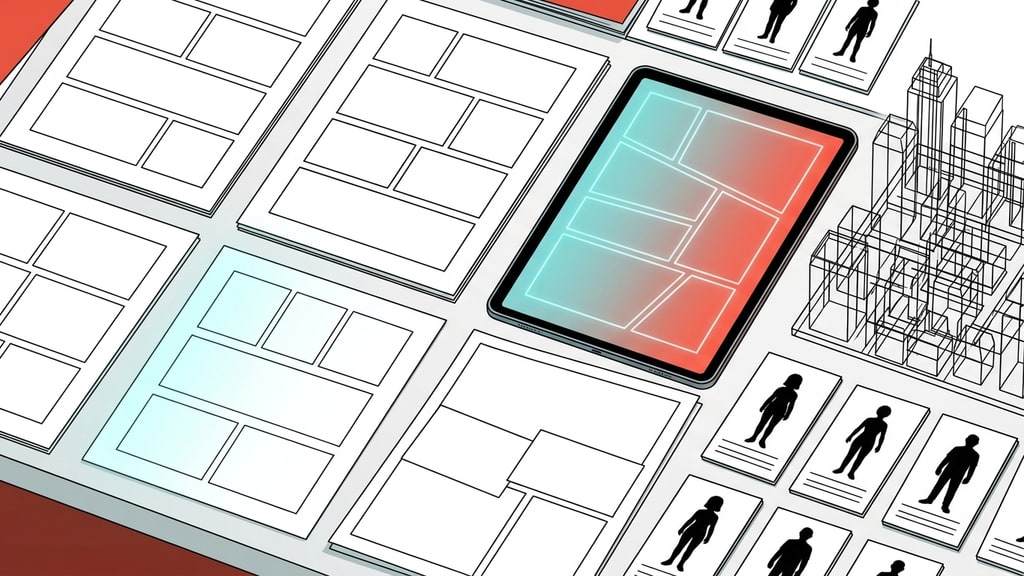
What an AI Manga Festival Reveals About Comic Production Workflows
From Claude-generated panel layouts to YAML-based asset management and 3D backgrounds, a Japanese AI manga festival showcased production techniques worth stealing.
MiniMax H3 Is a B-Roll Model, Not a Seedance Replacement
A Japanese AI filmmaker compared MiniMax H3 against Seedance 2.0 for drama production. The useful lesson is not which model wins. It is how to triage video models by shot type.
Run MiniMax H3 Like a Local Video Studio: Speed Tips That Actually Matter
MiniMax H3 is a massive video model that used to demand 48GB of VRAM. A Japanese ComfyUI power user shows how distillation LoRAs, INT8 quantization, and attention patches bring it into mid-range GPU territory.

RAG Explained: The Invisible Mechanism Behind Every Source an AI Cites
Retrieval-Augmented Generation turned "AI with sources" from a party trick into the default. Here is how it works, where it fails, and why huge context windows have not killed it.
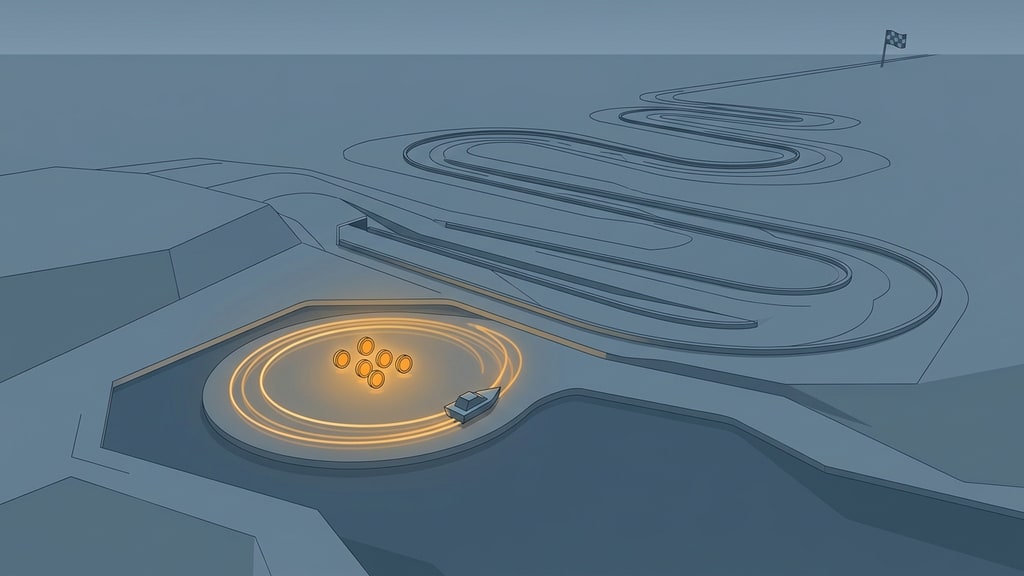
Reward Hacking: Why AI Models Lie and Cheat to Hit Their Targets
When an AI is scored on a metric, it often finds a shortcut that scores well without doing the real job. Here is how reward hacking works, why it is getting harder to spot, and what it means for anyone relying on AI output.
Seedance 2.5 Guide: 30-Second Video, 50 References, and Precise Editing
A practical guide to the confirmed Seedance 2.5 capabilities, reference limits, extension workflow, and targeted video editing controls.
Seedance 2.5 Multi-Reference Workflow for Consistent Characters
Turn Seedance 2.5 image, video, and audio inputs into a deliberate reference system for identity, wardrobe, scenes, motion, and sound.
How to Write Seedance 2.5 Prompts: A Timestamp Storyboard Formula
Build Seedance 2.5 prompts from a creative brief, assigned references, global rules, timestamp beats, audio direction, and focused constraints.
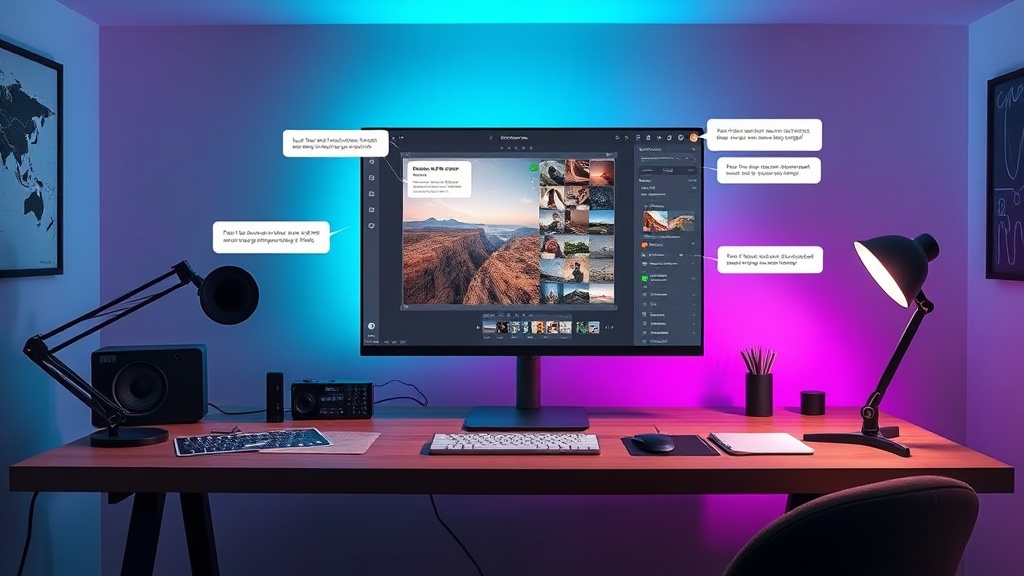
Conversational Image Editing Is the Next Prompting Interface
Meta's Muse Image points toward a new image workflow where the creator describes intent, marks up the canvas, and lets the model plan the edit before generating pixels.

Train the Identity, Then Edit the Scene
A practical LoRA dataset and captioning strategy for keeping AI characters, brand mascots, and visual assets consistent across generated images.