Practical AI image and video guides
Workflows, prompts, and tools for your next image or video.
All articles
239 articles · Page 11 of 20
A 30-Second Anime Short Inside One Month of Firefly Credits
A beginner AI anime workflow built backwards from a credit budget: 5 credits a still, 450 for a 15-second clip, and every expensive decision made only after the plate is approved.
Nano Banana 2.1 Day-One Measurements: What the Spec Does Not Tell You
AICU fired 19 direct Gemini API calls at Nano Banana 2.1 the day after launch. The token counts, what a thinking level costs in real latency, and the gap between 14 reference images and a usable six-character shot.

Qwen Image 2.1 Is an Edit Bench, Not a First-Frame Generator
Alibaba puts text-to-image and instruction editing in one open-weight checkpoint. What Qwen Image 2.1 traces without a mask, where it still loses, and the config trap that makes it look weaker than it is.

RefMod: A 1.5MB Face Anchor for MiniMax H3 That Skips LoRA Training
RefMod encodes a character once into a small latent file, then loads it into every MiniMax H3 generation. What it replaces, where it gives up detail, and how to check whether your cast actually survives.
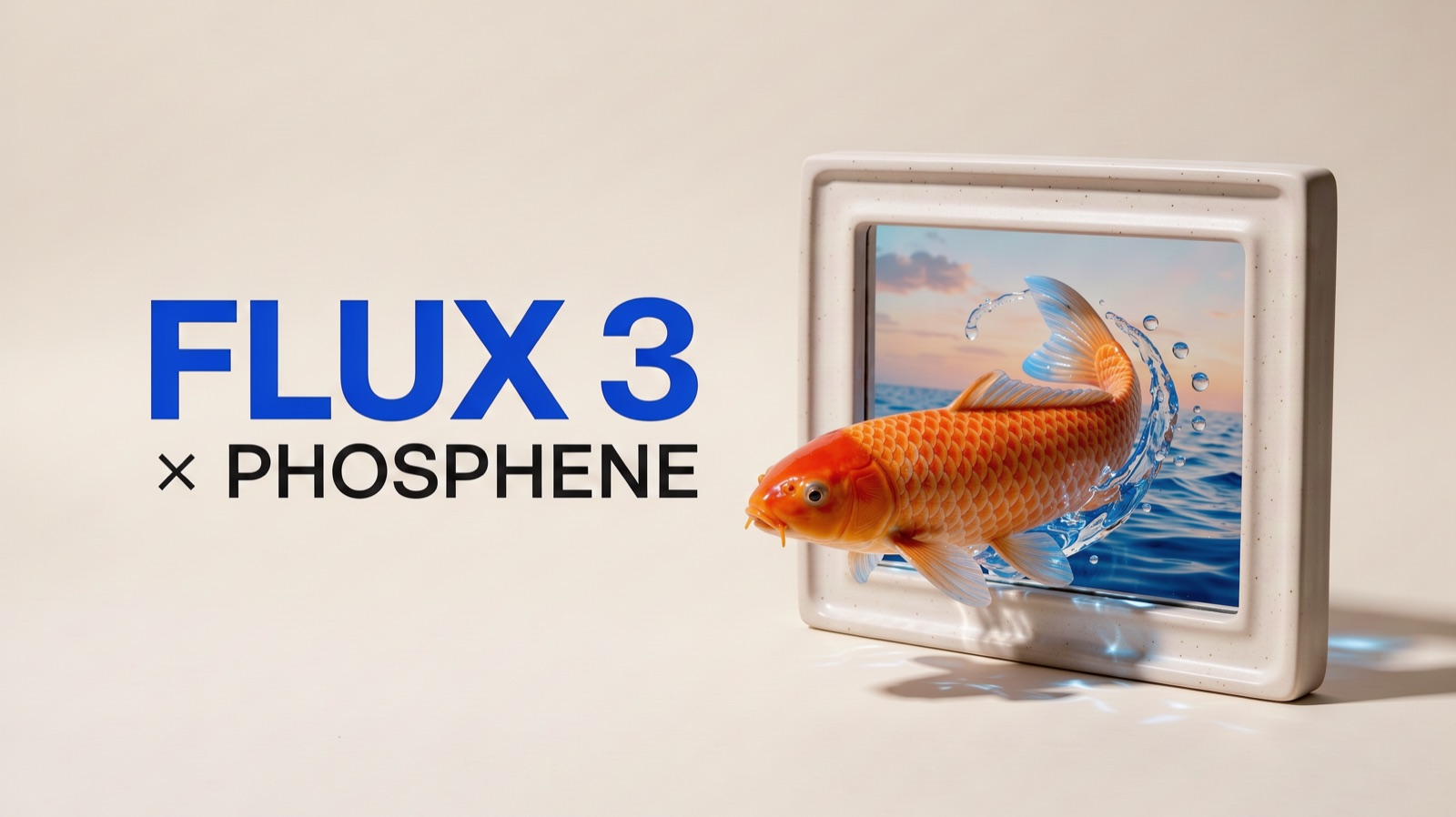
FLUX 3 Image Is Now in Phosphene
FLUX 3 Image renders the exact words you ask for and edits one detail while keeping the rest. See real results, the prompts behind them, and the credit cost of 1K, 2K and 4K.

How to Use Wan 3.0 Video in Phosphene
Make a video from a prompt or animate a starting image with Wan 3.0. Choose the right mode, write motion instructions, check credits, and work up to 30 seconds.
Amazon's AI Dubbing Redraws the Actor's Lips, Frame by Frame
Prime Video is testing a tool that rewrites mouth movement to match a translated voice, starting with the German series Maxton Hall. The lip sync is the easy claim. The open question is who agreed to the voice, and why an almost-right face can read worse than an obvious mismatch.

Beyond the Single Clip: What a Hands-On WonderClip Lab Says About AI Video Production
About 50 Japanese video and ad practitioners will spend 45 minutes making a real asset in WonderClip, Alibaba Cloud AI video platform, in a Shibuya lab on September 30. The event is small, but the question behind it is general: generation is no longer the bottleneck, the production flow is. Field notes on pipeline platforms, Wan3.0, and a rights clause worth copying.
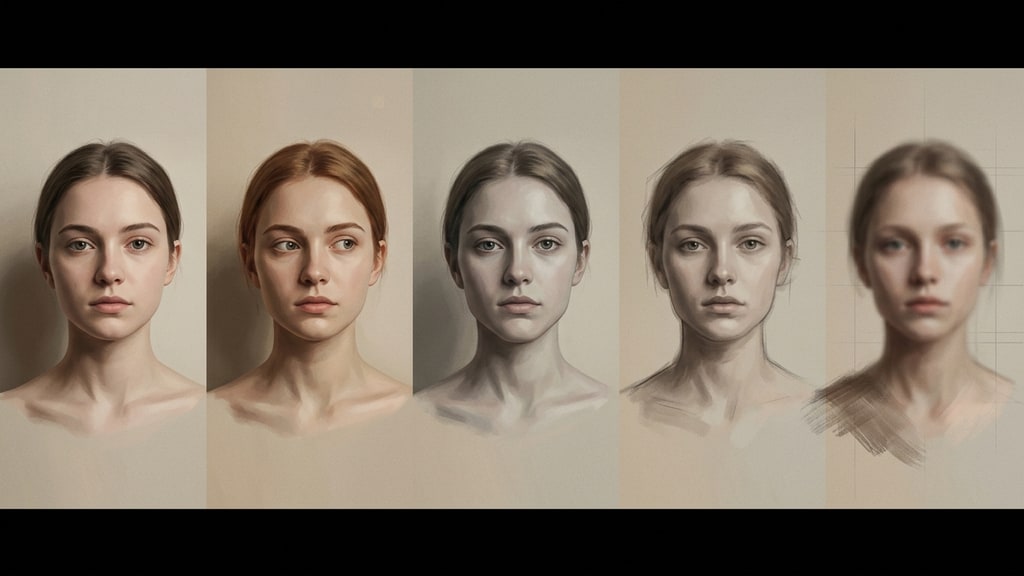
Edit Drift: Why Repeated AI Image Edits Silently Change the Subject (and How to Stop It)
The first few conversational edits on an AI image look great. Keep asking and the face slowly becomes someone else. A Japanese creator calls this edit drift: past instructions pile up until the model has no room left. Here is the mechanism and a protocol for edits that stay clean.

ChatGPT Images 2.5 and Canva: The Thumbnail Workflow That Stops Fighting the Chat
ChatGPT Images 2.5 renders text far better than its predecessors, and the hype says you can now build a finished thumbnail in one chat. Then you try to move a headline two pixels and the whole background becomes a different picture. A Japanese creator who tests this daily documents the degradation he runs into and the fix: generate the material with the image model, do the layout in a design tool. Here is that hybrid workflow, the six-edit collapse he measured in his own tests, and the prompts that sidestep it.
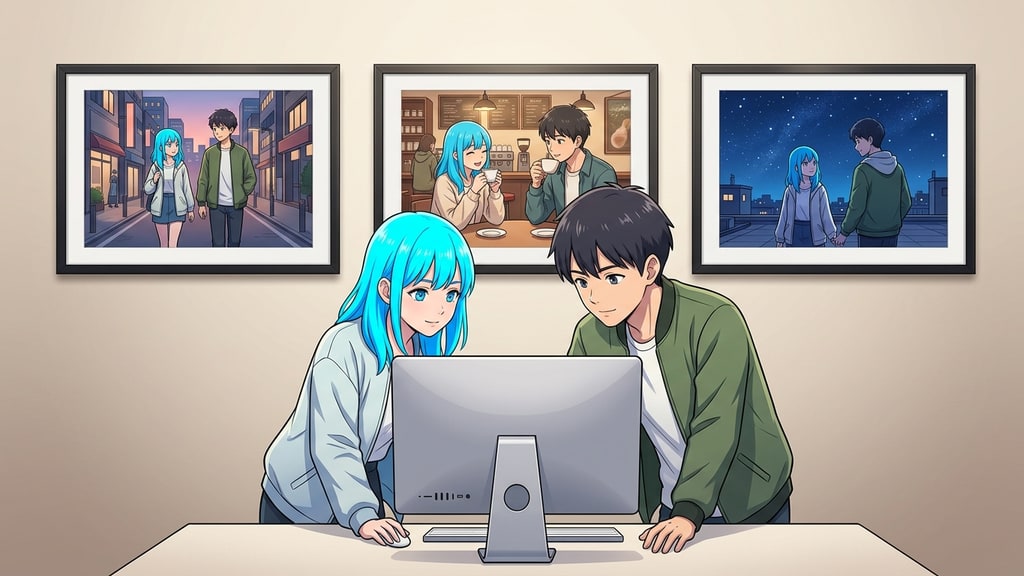
One Reference Image Is Enough: Consistent Characters Across a Series with ChatGPT Images 2.5
A Japanese creator was re-describing their two mascot characters in every new prompt and watching the faces drift article to article. The fix was one reference image per character plus an explicit "refer to this design" instruction. Here is the workflow, the prompt pattern, the platform-size lesson, and the text rules.
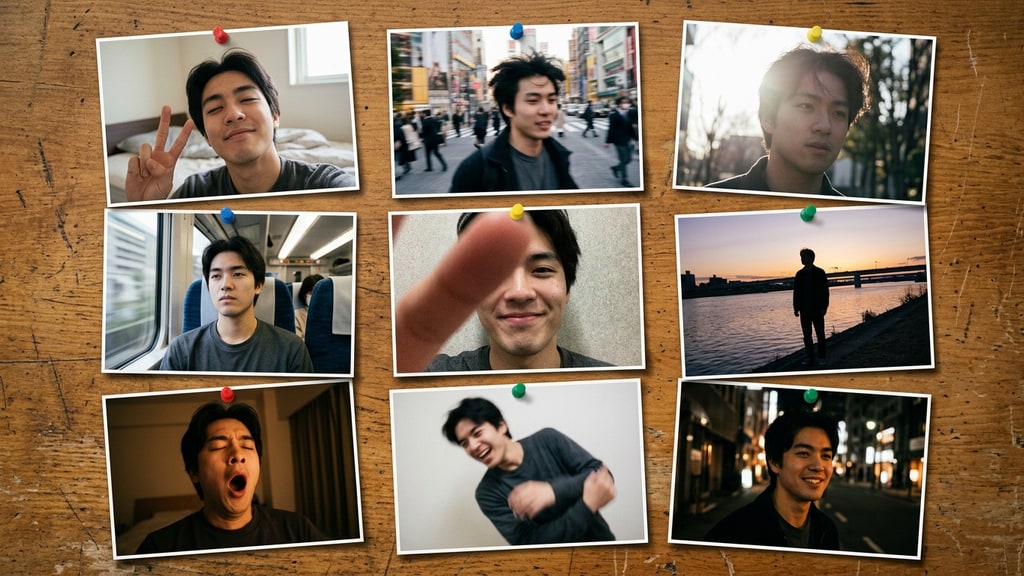
Faking a Day in Nine Frames: The Prompt Formula Behind the Viral Camera Roll Trend
Give an image model one reference photo and ask for a full day back: nine candid frames from morning to night, arranged like an iPhone camera roll. The trend spread across X because the result feels like evidence of a life that was never lived. Here is the formula that makes it work, from a Japanese creator who failed twice before it landed.