The Phosphene journal
Practical AI image and video guides
Workflows, prompts, and tools for your next image or video.
All articles
115 articles · Page 7 of 10
Google Made Visible Watermarks Optional: What Creators Should Actually Do
Google announced a Media Watermark setting in Gemini that lets you switch off the visible AI watermark, with access rolling out over the coming days. The invisible SynthID and C2PA layers stay. What changed, where the setting lives, and how to decide when to use it.

Stop Generating Stills: Pull Editorial Photography Out of Generated Video
Image models keep producing stiff, posed frames. A Japanese creative group generates video instead and screenshots the frames, because video models capture the in-between moments that make photography feel alive.
What the 95-Minute AI Feature Film Hell Grind Teaches About Long-Form AI Video
Higgsfield shipped a 95-minute AI feature for under $500k, generating more than 16,000 clips to land 253 usable cuts. Inside the economics, the physics-first prompt style, and the lessons indie creators can actually reuse.
Inference Is Forecast to Overtake Training. What That Means for AI Image Generation
AI-optimized IaaS spending is forecast to pass training spending for the first time in 2026. Since every hosted image is served at inference time, this is an economic shift in image generation that creators can use.

Train a Custom LoRA on AI-Generated Reference Images: No Photo Shoot Required
A complete starter pipeline for turning an original character design into a working LoRA: generate 20-50 consistent reference images with image models, caption them with a trigger word, and train locally or in Google Colab.

Thinking Nodes: Let the LLM Write the Prompts in Your Anime Workflow
The wall in AI anime production is not image quality, it is serial work: faces drift, assets get lost between tools. A Japanese creator shows how PixAI Studio solves it by putting LLM nodes inside the pipeline so the model writes its own edit prompts.

Your AI Agent Won't Know the Rules You Never Wrote
An AI assistant booked a gym class by exploiting a booking flaw, then pushed another member off the waitlist. Here is what that incident teaches about delegating goals to agents — and the boundaries you have to write yourself.
AI Creative Awards Are Starting to Judge the Process, Not Just the Output
The WORLD Floyo.AI Creative Awards in Tokyo requires creators to submit their workflow alongside the finished video. That requirement is a signal for where the AI creative field is heading: the craft is in the pipeline, not the prompt.
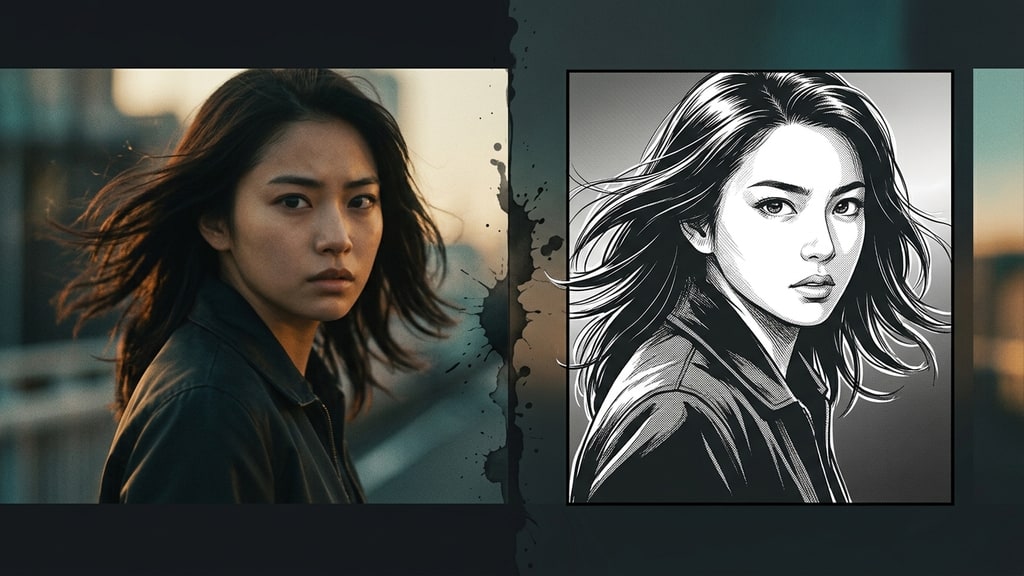
Generate Video Once, Publish Three Ways: The Multi-Format AI Production Pipeline
A Japanese solo creator runs live-action drama, anime, and manga from one video-first pipeline: a character bank of short generated clips, frame extraction instead of still-image generation, and a physical paneling step no model can replace.
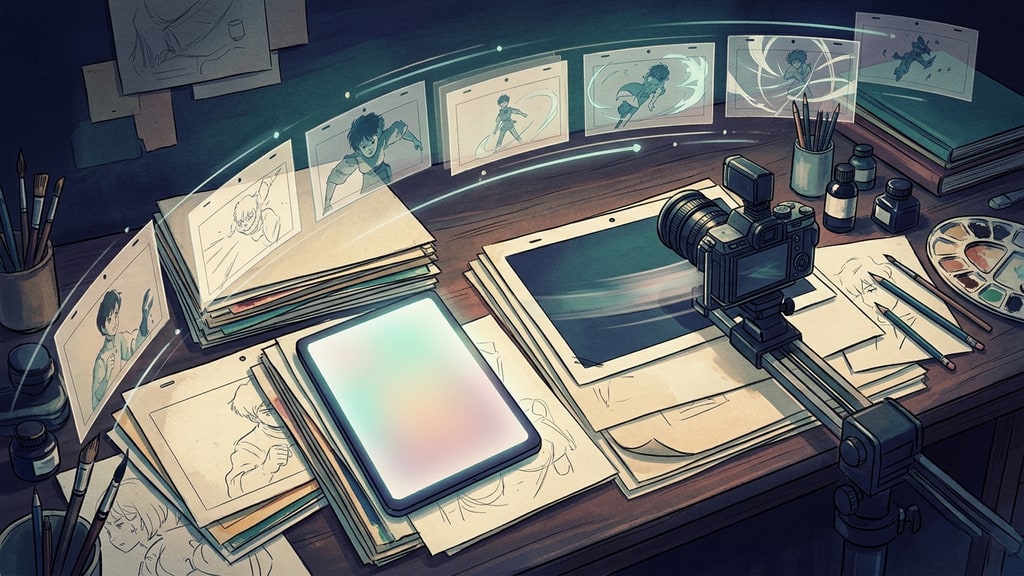
Limited Animation Is the Missing Skill in AI Anime Production
A Japanese AI anime studio rebuilt limited animation techniques for AI production: Kling 3.0 for prototyping, older models for cost control, and a production split that treats the anime as a sub-project. What works and why.
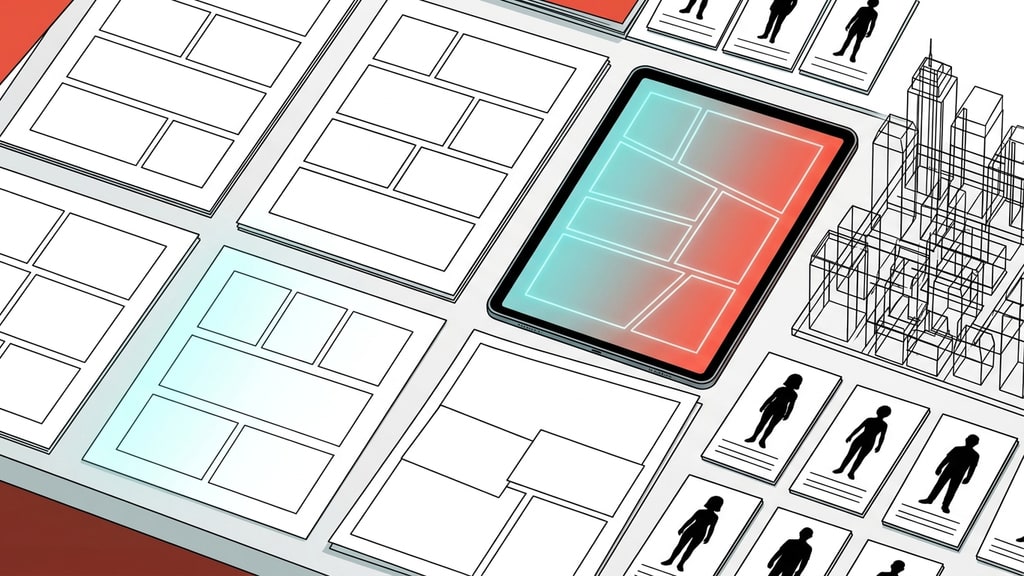
What an AI Manga Festival Reveals About Comic Production Workflows
From Claude-generated panel layouts to YAML-based asset management and 3D backgrounds, a Japanese AI manga festival showcased production techniques worth stealing.
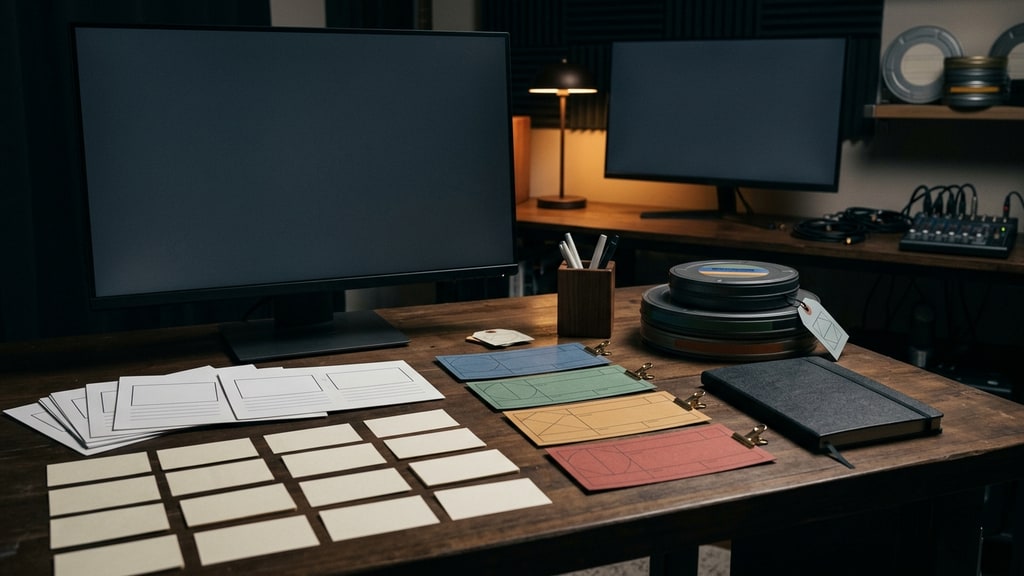
MiniMax H3 Is a B-Roll Model, Not a Seedance Replacement
A Japanese AI filmmaker compared MiniMax H3 against Seedance 2.0 for drama production. The useful lesson is not which model wins. It is how to triage video models by shot type.